What Is La Paz Best Known For?
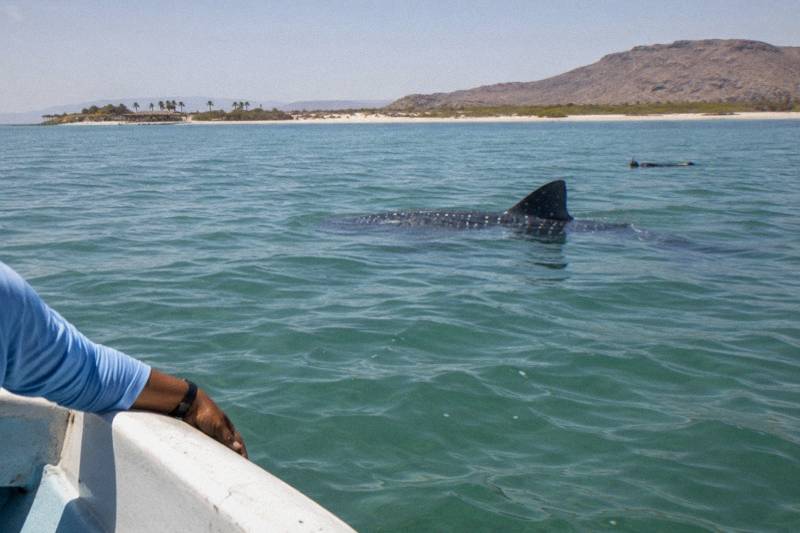
La Paz is best known for swimming with whale sharks in a protected bay refuge, the sea lion colony at Espiritu Santo, the shallow water of Playa Balandra, and its long waterfront Malecon.
La Paz is best known for four things: swimming with whale sharks inside a federally protected bay refuge, the Espiritu Santo island group and its sea lion colony at Los Islotes, the improbably shallow water of Playa Balandra, and the Malecon, the long waterfront promenade that anchors daily life in the city. Carnaval, scheduled 4 to 9 February 2027 on that same waterfront, rounds out the calendar. The whale shark comes first for a simple reason: La Paz is one of the few places in the world where a regulated swim with the species runs as a routine, permitted, everyday excursion rather than a once-in-a-lifetime expedition. The season announced for 2026 to 2027 runs 1 October to 30 April, with 112 authorizations issued to local operators. If you're building a trip around that swim, our La Paz planning guide shows how the Malecon, Balandra, and Espiritu Santo fit into a short stay.
The order of fame matters here. A traveller who lands in La Paz in January usually comes for the shark and stays for everything else. That pattern shapes the whole city: the tour offices clustered near the Muelle Fiscal pier on the Malecon, the dive shops running Espiritu Santo trips, the boats heading out to Balandra and Playa Tecolote. The marine-biologist small-group swim, the premium reduced-group encounter and the Balandra combos that fill out this site's roster all exist because the shark reliably draws people between autumn and spring.
What La Paz is not known for is equally worth saying. It is not the resort-and-nightlife capital of the cape; that role belongs to Los Cabos, about 160 km and a two to two-and-a-half-hour drive south. La Paz is the quieter, governmental, university-fronting port city on the Gulf side, north of the cape, and its fame is almost entirely marine. La Paz Whale Shark Tours covers that first fame in depth; this article lays out all four.
| What La Paz is known for | Where it happens | The short version |
|---|---|---|
| Swimming with whale sharks | Bahia de La Paz refuge, Zone I | Regulated season 1 October to 30 April, four daily shifts |
| Sea lion colony | Los Islotes, Espiritu Santo archipelago | Swim zone capped at 180 people at once |
| Playa Balandra | North of the city, by boat or road | Two daily turns, 450 visitors each |
| The Malecon | City waterfront, Paseo Alvaro Obregon | Free public promenade, tour departure hub |
| Carnaval | Malecon | Scheduled 4 to 9 February 2027 |
Swimming With Whale Sharks In The Bay
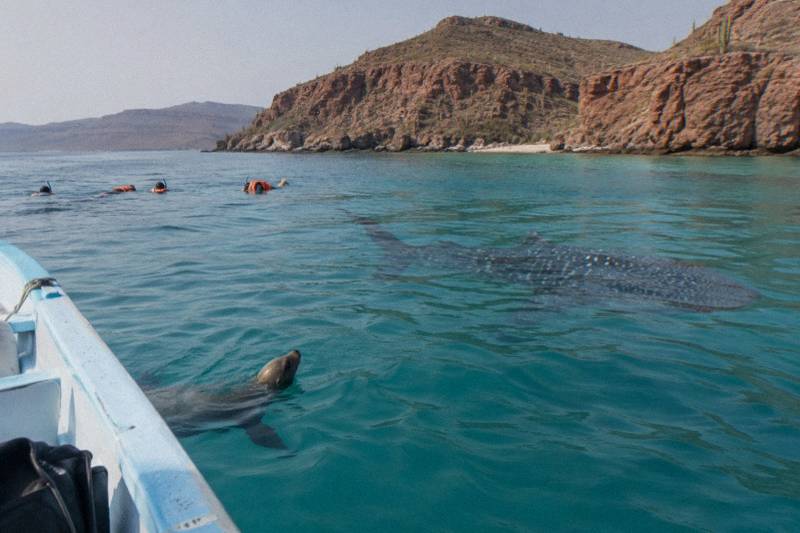
The whale shark swim is La Paz's signature experience: a snorkel encounter with the world's largest fish, run inside the Area de Refugio Bahia de La Paz, a 22,749-hectare marine refuge decreed on 29 November 2018 and divided into three zones, only one of which permits swimming. The activity is governed by NOM-171-SEMARNAT-2018, which caps boats at 11 m, sets swim distances, and bans touching outright. The rules exist because the species is listed as threatened under Mexican law, and the city has built its modern tourism identity around hosting the swim responsibly rather than at volume. Whether that framework holds up in practice is a fair question, and our guide to the ethics of swimming with whale sharks weighs what the rules do and don't cover, plus how to choose a tour you can feel good about.
The mechanics are more structured than most visitors expect. The 2026-27 season aviso sets four daily shifts, with boat numbers scaling to shark counts: six sharks in Zone I allows six boats per shift, while 14 or more allows 14 per shift, a hard cap of 14 boats in the water at once. If counts fall to five or fewer, trips stop entirely. That happened in early 2025, when a January suspension followed counts of 9, 5 and 1 sharks, and it explains why local operators talk about shark presence the way farmers talk about rain. No 2026-27 counts have been published yet, so nobody can honestly tell you what this season holds.
On the ground the swim is a half-day affair. Local listings run two to four hours, with operators reporting 20 to 40 minutes of boat time from the Malecon docks to the swim zone. The roster's shared swims run from $110 to $295 per person, and the differences between them are real: the marine-biologist small group from MeXplore at from $178 per person with a 4.9 rating from 649 reviews, the 5.0-rated Tuna Tuna Tours small group at the same from $178 price point, and the premium reduced-group encounter from La Paz Whale Sharks VIP Tours at from $295 per person with a 5.0 rating from 422 reviews.
What each of those listings includes varies more than the prices suggest, and the details matter at the margin. The MeXplore line lists light refreshments, a certified guide and captain, snorkel equipment and wetsuits, federal permits with a conservation donation, traveler's insurance and GoPro photos, while excluding towels, sunscreen, gratuities and transport to the dock. Tuna Tuna Tours lists bottled water, snacks, snorkelling gear, all fees and taxes, a bracelet, wetsuits and underwater pictures. The premium encounter adds biodegradable SPF 50 sunscreen to its inclusions. Reading the inclusion lines side by side before booking is the single easiest way to avoid a surprise at the pier.
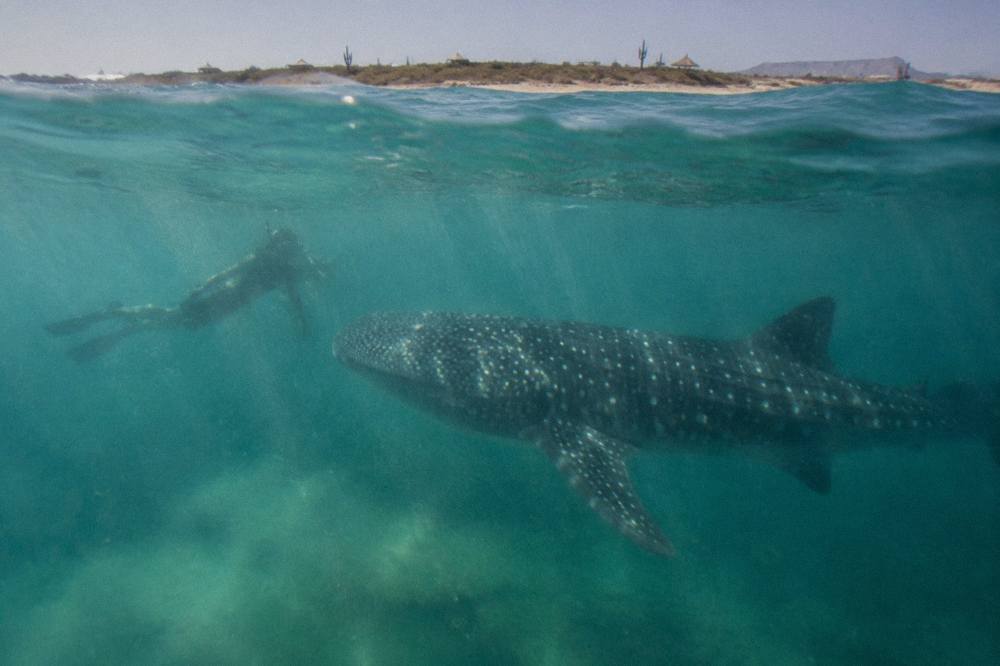
Why the shark congregates here is the part worth understanding. The bay's warm, plankton-rich water between roughly October and April feeds juvenile whale sharks that gather close to shore, and sea temperatures in season sit in the low twenties Celsius, and the federal rule requires a wetsuit or life vest; the federal rule requires one or the other. The same rule framework limits swimmers to five per specialised guide, keeps groups together, and ends any encounter the moment a shark shows evasive behaviour, defensive tail strikes or sudden dives. If you want the full mechanics of the day, from the briefing to the swim rotation, read what actually happens on a whale shark swim before booking anything.
Espiritu Santo And The Sea Lions Of Los Islotes
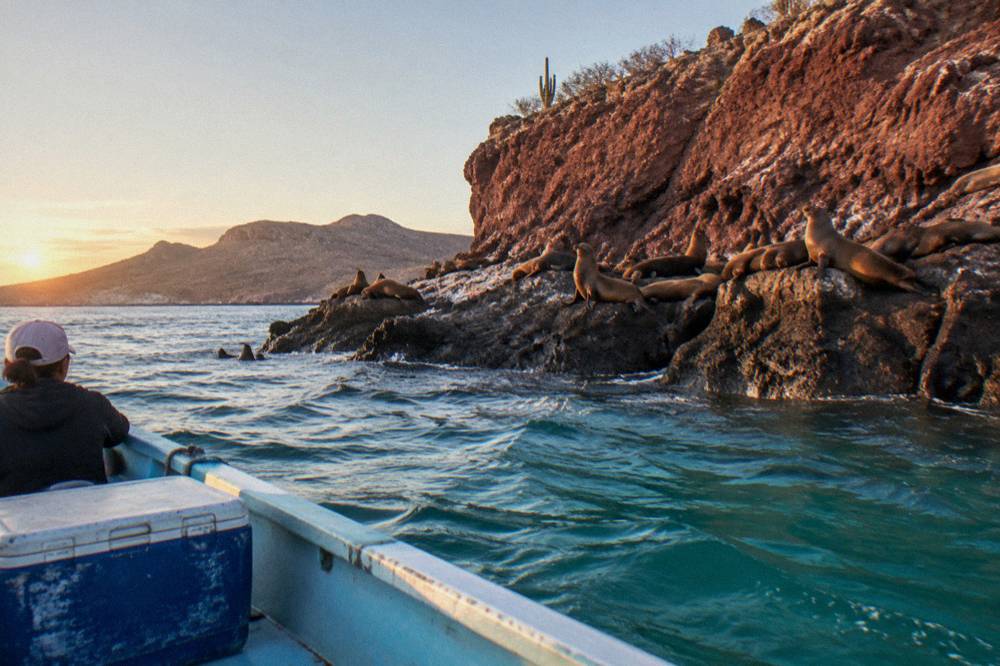
The second thing La Paz is known for is the Espiritu Santo archipelago, a national park reached by boat, and specifically the California sea lion colony at Los Islotes at its northern end, where snorkelling with the animals is permitted from about 1 September to 31 May. The colony's restricted swim subzone is capped at 180 people in the water at once, and swimming is closed 1 June to 31 August for the reproductive season. For many visitors the sea lion swim, playful, loud and completely unlike the placid whale shark encounter, ends up being the surprise highlight of the trip.
The park itself charges a daily access fee, reported at MXN 225 per person per day through the CONANP conservation wristband, purchasable online or at offices, with discounts for students, teachers, national residents and several other categories; confirm the current arrangement when you book. Most travellers never deal with that paperwork directly because operators bundle permits into the trip price. Check the inclusions before booking: the MeXplore combo lists federal permits, while the Baja Sur Tours line lists no park fee.: the MeXplore whale sharks, sea lions and Balandra day at from $234 per person with a 4.9 rating from 73 reviews, and the Espiritu Santo picnic day from Baja Sur Tours at from $278 per person, 9 hours, rated 4.8 from 30 reviews.
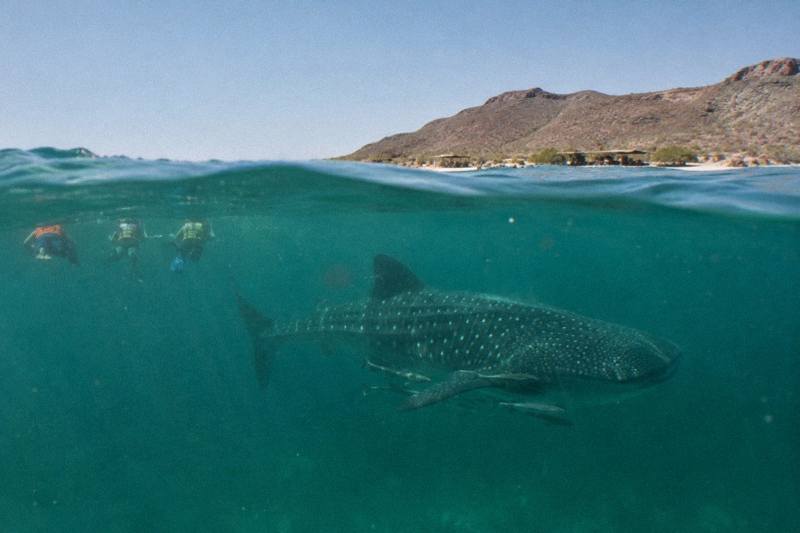
What makes Espiritu Santo famous beyond the colony is the landscape: red rock cliffs, cactus-covered ridges and a string of quiet coves that look engineered for a postcard. Day trips typically combine a whale shark swim in the bay with the run out to the islands, a beach lunch and a snorkel stop, which is why the 6-to-9-hour combo listings are the natural pick for anyone with only one full day in the city. A typical day starts at the dock in the morning, moves between the bay and the beach between the shark zone and the colony, and ends with lunch on a beach before the run home. The full island story, including the camping and kayaking options, is in the Espiritu Santo island tour guide.
Playa Balandra And The Shallow Beach Everyone Photographs
Playa Balandra is the third pillar of La Paz fame: a shallow, near-landlocked bay of turquoise water backed by a distinctive rock formation, El Hongo, and managed under controlled access with two daily turns, 08:00 to 12:00 and 13:00 to 17:00, a cap of 450 visitors per turn and a reported MXN 120 per person fee, confirm on the day. The protection is the point: controlled access is what keeps the water that colour.
Getting there is straightforward but requires planning. By road it is a drive of roughly 30-plus minutes from central La Paz; by sea it is a common stop on combo boat tours, several of which include beach time at Balandra or neighbouring Playa Tecolote. The access system, fee and turn times are covered in detail in the Balandra access and hours guide. Arrive without a plan in high season and you may simply not get in, since the 450-per-turn cap fills early.
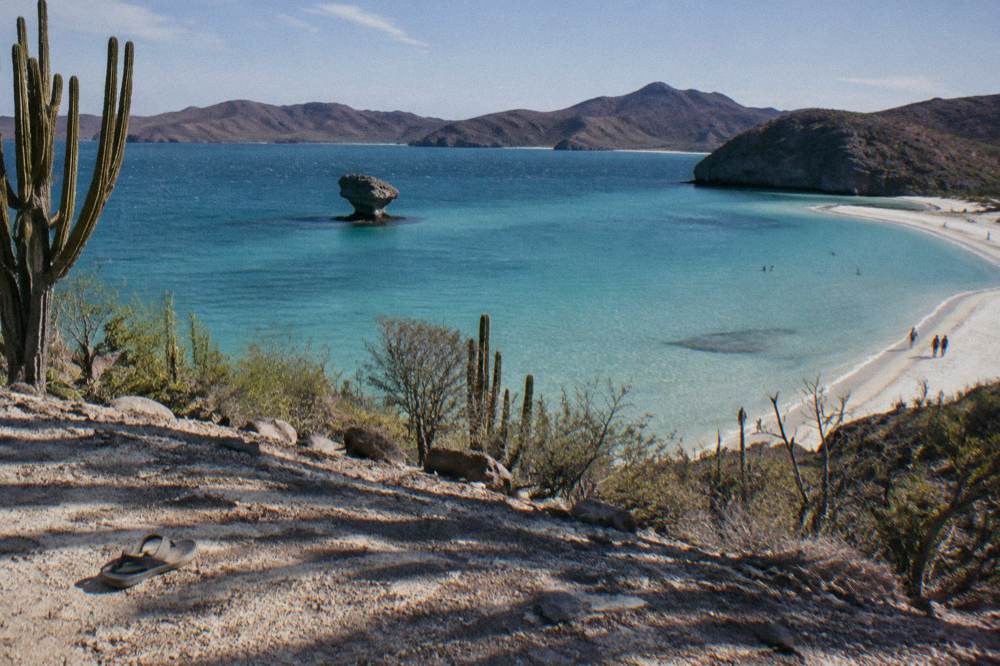
The beach pairs naturally with the whale shark day because several roster listings bundle them. The Tuna Tuna Tours whale shark, sea lion and Balandra combo runs 6 hours at from $234 per person with a 5.0 rating from 113 reviews, including lunch, wetsuits and underwater photos; MeXplore's version, capped at nine guests, is the same price with a 4.9 rating from 73 reviews. For a traveller whose image of La Paz is entirely that postcard beach, these combos are the efficient way to see all three famous things in one ticket.
If you would rather keep the beach and the bay separate, that works too. Swim-only listings in the two-to-four-hour range leave the whole afternoon free, and Balandra's afternoon turn, 13:00 to 17:00, fits neatly after a morning on the water with the sharks. Just remember the morning turn is the calmer, cooler one, and the cap applies to both equally.
The Malecon And Everyday Waterfront Life
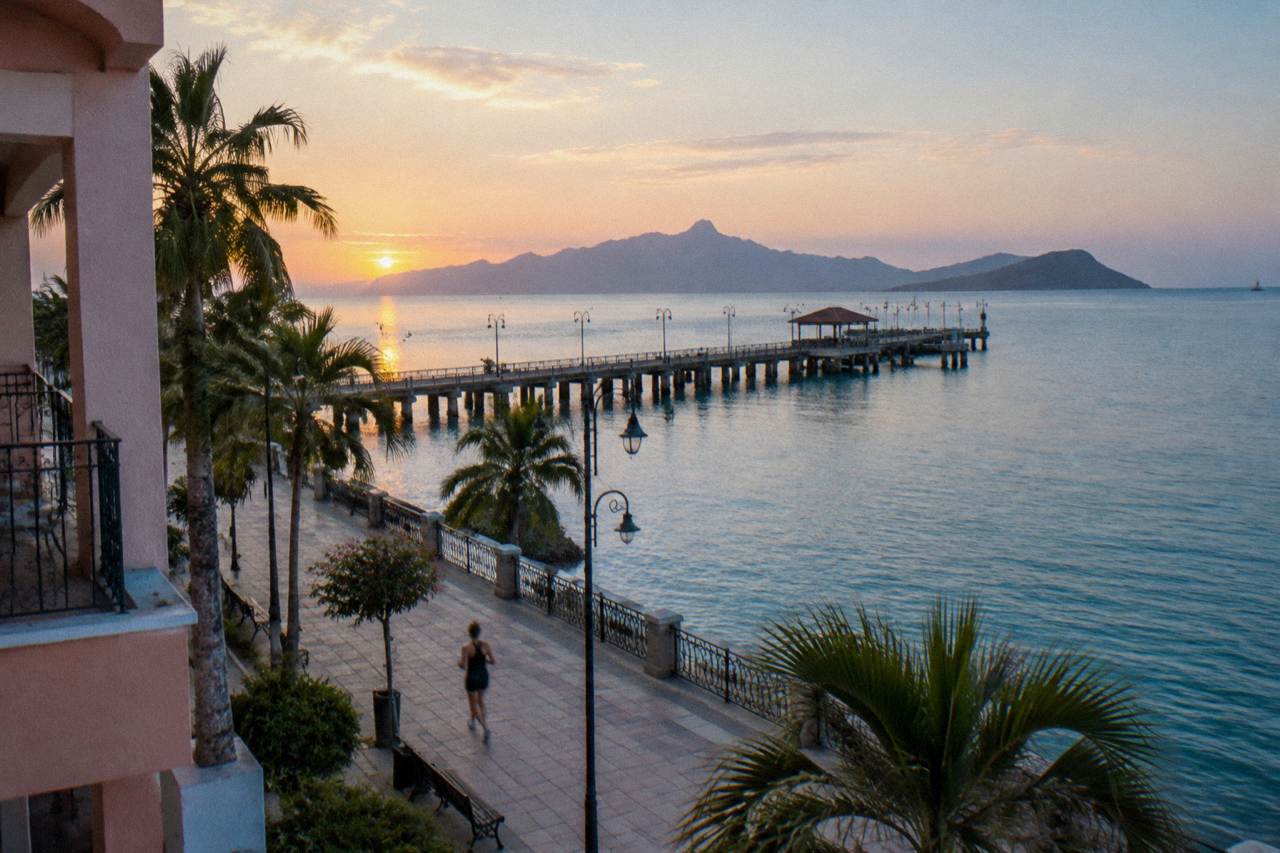
The Malecon, the long promenade along Paseo Alvaro Obregon, is the fourth thing La Paz is known for: a free, public, waterfront walk that doubles as the city's living room and, practically for visitors, the departure hub for a large share of the whale shark fleet, with several listings meeting at Muelle Fiscal or marina addresses on the same street. Morning joggers, evening families, sculpture gardens and fish taco stands share it, and the sunsets over the water are the city's daily free spectacle. No ticket, no fee, no schedule.
For a whale shark traveller the Malecon's fame is logistical as much as scenic. Of the 18 La Paz swim listings on this site's roster, a substantial number depart from Muelle Fiscal at Paseo Alvaro Obregon 220 or from Marina de La Paz a short distance away, which means a Malecon hotel puts you within a short walk of your morning check-in. That convenience is exactly why the where-to-stay question in La Paz answers itself for most visitors: the boardwalk side of Centro wins. It also means the promenade is where the pre-swim energy concentrates, small crowds in wetsuits and borrowed towels clustering near the pier before the first shift pushes off.
| Famous thing | Typical cost to experience | Time needed |
|---|---|---|
| Whale shark swim (shared) | From $110 to $295 per person | 2 to 4 hours |
| Island combo with sea lions and Balandra | From $234 to $345 per person | 6 to 9 hours |
| Los Cabos day trip to the La Paz swim | From $259 to $399 per person | 7 to 10 hours |
| Playa Balandra | Reported MXN 120 per person | Half day per turn |
| The Malecon | Free | Any evening |
The promenade also carries the city's calendar. Carnaval, scheduled 4 to 9 February 2027, takes over the waterfront with parades and stages, and it overlaps neatly with the reported best months for whale sharks, December, January and February. A February visit is the one window where all four of La Paz's famous things, shark, sea lions, beach and promenade, run at full intensity at once.
Why La Paz Rather Than Cabo
La Paz is known as the marine-wildlife alternative to Los Cabos: where Cabo built its fame on resorts, golf and nightlife, La Paz built its reputation on the bay's protected species, the refuge framework around them and a lower-key city pace. All three Los Cabos-listed whale shark trips on this roster are day trips that drive to La Paz, 10, 9 and 7 hours long, because the regulated swim happens in this bay, not at the cape. Travellers staying in Cabo who want the famous encounter buy a long day; travellers based in La Paz walk to the pier.
That distinction is worth a paragraph because it confuses people. The question of whether whale sharks appear near Cabo itself has no season data on file for this site to state, and we do not claim one. What is solidly on file is the roster geography: the Cabo Adventures day trip at from $259 per person with hotel pickup and a 4.9 rating from 1141 reviews, the most reviewed listing in this site's catalogue, plus a 9-hour Cabo Trek excursion at from $399 and a 7-hour Todos Santos day trip at from $353. Every one of them comes to La Paz.
6 Hours, Sea Lions Plus Balandra
Whale Shark And Espiritu Santo Combos · 6 hours
★ 5.0 · 113 reviews · From $234
Check availability →For anyone weighing the two cities as a base, the practical tradeoff is simple and covered in full in the site's comparison pieces: La Paz gives you short mornings on the water and the quiet port-city atmosphere, while Cabo gives resort infrastructure at the cost of hours in a van. The fame follows the bay, not the cape.
How The Four Famous Things Fit One Trip
A visitor with two full days in La Paz in season can cover all four famous things comfortably: day one, a morning whale shark swim plus an afternoon at Balandra's second turn; day two, a full island combo to Espiritu Santo and Los Islotes, with the Malecon filling both evenings. Swims run from $110 per person shared and the combos from $234, so the pair of tour days costs what those two roster ranges state, before lodging. Three days adds slack for weather and the possibility that shark counts pause operations.
Two practical cautions belong in any planning paragraph. First, the swim is weather- and count-dependent: October sits inside the eastern Pacific hurricane season, which runs 15 May to 30 November with peak risk August to October, and the six-shark minimum can pause trips at any month, as January 2025 showed. Second, book the shark day early in your stay, not your last morning, so a reschedule is possible. Check the official State Department page before booking, as with any international travel.
Timing within the season matters less for the islands and beach than for the sharks. The reported best months are December, January and February, and the 2025-26 season closed 30 April with 56 individual sharks identified and 950 sightings recorded across the window. Nothing comparable exists yet for 2026-27, and anyone quoting you a number for this season is guessing.
Common Questions About What La Paz Is Known For
When can you swim with whale sharks in La Paz?
The announced 2026-27 season runs 1 October 2026 to 30 April 2027, with trips operating only when at least six sharks are counted in Zone I. Reported best months are December, January and February. No 2026-27 counts have been published yet.
Can you see sea lions and whale sharks on the same day?
Yes, that is what the island combo listings do. Trips such as the MeXplore whale sharks, sea lions and Balandra tour run about 6 hours and include lunch, gear and permits, from $234 per person.
Is Playa Balandra free to visit?
No. Access is controlled in two daily turns of 450 visitors each, 08:00 to 12:00 and 13:00 to 17:00, with a reported fee of MXN 120 per person; confirm the current arrangement on the day.
Is La Paz or Cabo better for whale sharks?
The regulated swim happens in La Paz's bay refuge. All three Los Cabos-listed whale shark trips are day trips that travel to La Paz, running 7 to 10 hours. Staying in La Paz keeps your swim to a short morning.
What does the whale shark swim cost in La Paz?
Shared swims on this site's roster run from $110 to $295 per person for two to four hours. The featured marine-biologist small group is from $178 per person with a 4.9 rating from 649 reviews.