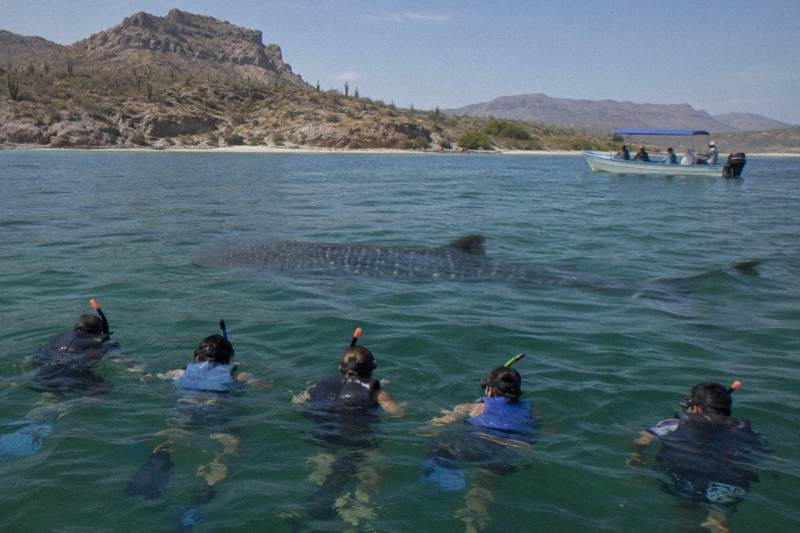
La Paz Whale Shark Swims · 5 - 5.5 hours
New listing with few reviews so far · From $174
Check availability →La Paz whale shark trips stop the moment official counts fall to five sharks. Here is how the rule works, when it has bitten before, and what it means for your booking.
Short answer
No. The 2026-27 La Paz season is announced for 1 October 2026 to 30 April 2027. Trips pause only when official CONANP counts show five or fewer sharks in Zone I. Past suspensions include 2023 and late January 2025 after counts of 9, 5 and 1 sharks.
The most common question about swimming with whale sharks in La Paz is not about price or wetsuits. It is whether the activity will actually run on the day someone has already booked a hotel for. That worry is not invented; La Paz whale shark swimming has genuinely been suspended mid-season before, and the mechanism that triggers a suspension is a written rule, not an operator's whim. The same shark counts that trigger those suspensions also shape your odds of an actual encounter, which is exactly what the real chances of seeing a whale shark in La Paz breaks down.
The short version: the 2026-27 season is announced for 1 October 2026 to 30 April 2027, with 112 authorized boats. Swimming pauses when official counts in the designated zone fall to five sharks or fewer, and restarts when counts recover. The most cited recent example is late January 2025, when counts of 9, 5 and 1 sharks led SEMARNAT to suspend the activity, a pause that was still in place a month later. The La Paz Whale Shark Tours roster currently lists 17 shared swims plus island combos and a private charter, all of them paid products, so a suspension question is really a booking-terms question. This guide walks through the rule itself, the history, and the practical decisions it creates.
No suspension is in force that this site can report. The 2026-27 season is officially announced for 1 October 2026 to 30 April 2027 under SEMARNAT's seasonal notice, and 112 authorizations were issued under the one-holder, one-boat, one-pennant scheme. No CONANP shark counts have been published for the new season yet, so there is no live count to quote and no first-sighting date to print.
La Paz Whale Shark Swims · 5 - 5.5 hours
New listing with few reviews so far · From $174
Check availability →That last sentence matters more than it looks. The season opens on paper on 1 October, but the practical start depends on sharks actually being present in the bay in numbers above the operating threshold. In 2022-23, permits arrived late and the season in practice opened 27 November. In 2025-26, sources disagree on exact dates, so the honest summary is that the season opened in November and closed on 30 April, with 56 individual sharks identified and 950 sightings recorded by the close, figures reported by news quoting CONANP. Anyone booking the first half of October should treat the calendar start and the water reality as two different things.
There is also a paperwork angle worth knowing. The seasonal notice is supposed to be published two months before the season under the norm's own timetable, yet the 2026-27 document is dated mid-September, roughly two weeks before the 1 October start. The aviso's issue date disagrees between sources by two days, which is why this site prints no day-specific issue date at all. What is corroborated is the substance: the dates, the 112 authorizations, the four daily shifts and the count thresholds. The pennants themselves were physically handed to operators on 20 October 2026 at an event witnessed by the state government, which is about as concrete as a season announcement gets.
For a month-by-month read on when sharks are typically reported in the bay, including why December, January and February are described as the strongest months, see the La Paz whale shark season month by month guide. The pattern shapes both your odds of swimming and your odds of a weather interruption, since the eastern Pacific hurricane season runs 15 May to 30 November with peak risk in August to October.
The 2026-27 notice ties boat activity directly to shark counts: with at least 6 sharks in Zone I, trips run; with 5 or fewer, swimming and watching stop entirely. Boats per shift scale with the count, from 6 boats at 6 sharks up to a hard cap of 14 boats at 14 or more sharks, across 4 daily shifts. Counts come from the average of the two most recent official CONANP tallies, rounded up.
The bay itself is a protected area. The Area de Refugio Bahia de La Paz was decreed on 29 November 2018, covering 22,749 hectares divided into three zones: Zone I for swimming and watching, Zone II closed to the activity for conservation, and Zone III a transit corridor with a 7-knot speed limit. The decree is published on the official gazette at dof.gob.mx. The whale shark is listed as threatened under Mexican law, and PROFEPA inspects boats alongside CONANP.
The counting method deserves a closer look, because it explains why suspensions can feel sudden. The threshold uses the average of the two most recent official counts, rounded up, so a single bad survey day does not by itself pause the season; it takes the average of two consecutive surveys falling to five or below. The same mechanism works in reverse, and a run of stronger counts reopens the bay without any separate announcement being needed beyond the numbers themselves.
Here is the sliding scale from the season notice, the table that decides whether any boat leaves the dock:
| Sharks counted in Zone I | Boats per shift | Boats per day |
|---|---|---|
| 0 to 5 | 0, activity suspended | 0 |
| 6 | 6 | 24 |
| 7 to 9 | 7 | 28 |
| 10 | 8 | 32 |
| 11 | 9 | 36 |
| 12 | 10 | 40 |
| 13 | 11 | 44 |
| 14 or more | 14 | 56 |
Two practical consequences follow. First, the rule is about the whole bay, not one operator: if the count is at four, every licensed boat in La Paz is idle that day, from the budget shared panga to the premium reduced-group encounter. Second, even when trips run, a low count means fewer boats per shift, which can tighten same-day availability in peak weeks. The in-water conduct rules themselves, 5 swimmers per guide, minimum distances of 2 m alongside and 3 m from the tail, are set by NOM-171-SEMARNAT-2018; the NOM-171 swim rules guide covers them in full.

If you are comparing operators while thinking about this risk, three formats make a useful spread: a certified small-group swim, the marine-biologist small group, and a shorter budget swim.
Three relevant episodes: activity was suspended early in 2023 for low shark numbers; swimming was suspended in late January 2025 after CONANP counts of 9, 5 and 1 sharks on three dates; and the 2022-23 season opened about six weeks late because permits arrived behind schedule. In the January 2025 case the suspension was still being maintained in March 2025.
The 2025 event is the one worth understanding in detail, because it is the template for how a modern suspension unfolds. CONANP counted 9 sharks on 20 January, 5 on 26 January and 1 on 27 January. Under the threshold, SEMARNAT suspended both swimming and watching. News reports quoting SEMARNAT carried the story in February, and a follow-up in March reported the suspension being kept in place for lack of sharks. Nobody could say when it would lift, because the answer depended entirely on the animals.
It is worth pausing on what that meant for visitors on the ground. Hotels kept operating, the Malecon stayed open, boats remained available for other outings, and only the whale shark activity itself stopped. The length of your stay is your main buffer against a count-driven closure, more than any choice of operator.
Put the recent history side by side:
| Season | What happened | Reported cause |
|---|---|---|
| 2022-23 | Opened 27 November instead of 1 October | Permits issued about six weeks late |
| 2023 | Swimming suspended early in the year | Low shark counts |
| 2024-25 | Suspended late January; still in place March 2025 | Counts of 9, 5 and 1 sharks on 20, 26 and 27 January |
| 2025-26 | Opened in November, closed 30 April | Sources disagree on exact start dates |
| 2026-27 | Announced 1 October to 30 April | No counts published yet |
Notice the pattern across those rows: none of the disruptions were caused by operators, weather or protests. Every single one traces back to either shark numbers or permit paperwork. That is unusual among wildlife activities, where the usual culprits are storms or seasonal closures, and it is why this guide keeps returning to counting rules rather than tour logistics.
A separate guide on whale shark swim pricing covers what a paused day costs you in practice; the short version is that money questions are answered by the operator's cancellation terms, not by the rule itself.
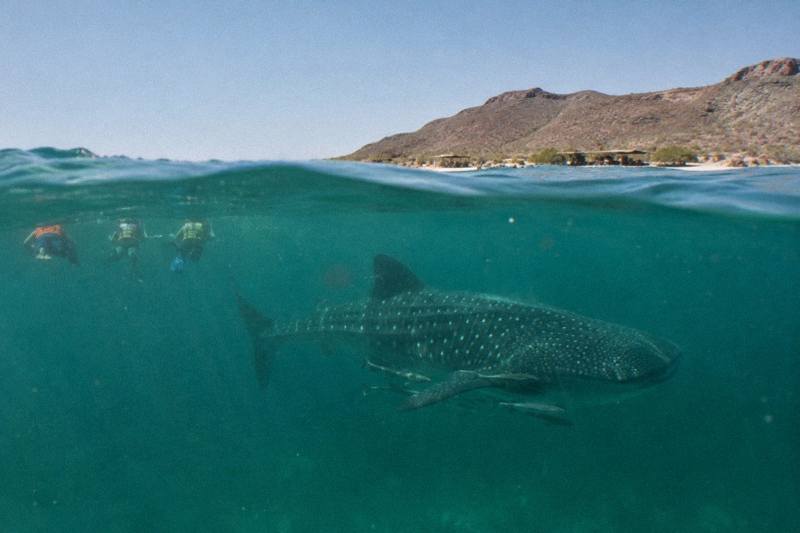
No refund, re-ride or compensation arrangement can be stated as a general rule, because terms live on each listing. The honest checklist is: read the operator's cancellation policy before paying, ask specifically what happens if the six-shark threshold stops trips on your date, and confirm whether the operator offers rescheduling. This site never prints a guarantee, because none exists in the regulation.
The roster itself shows how uneven the information is. Free cancellation is listed on most roster lines, but not on every one; the Next Experience Travel Sea of Cortez combo does not list it. The only way to know is the specific listing for the specific product.
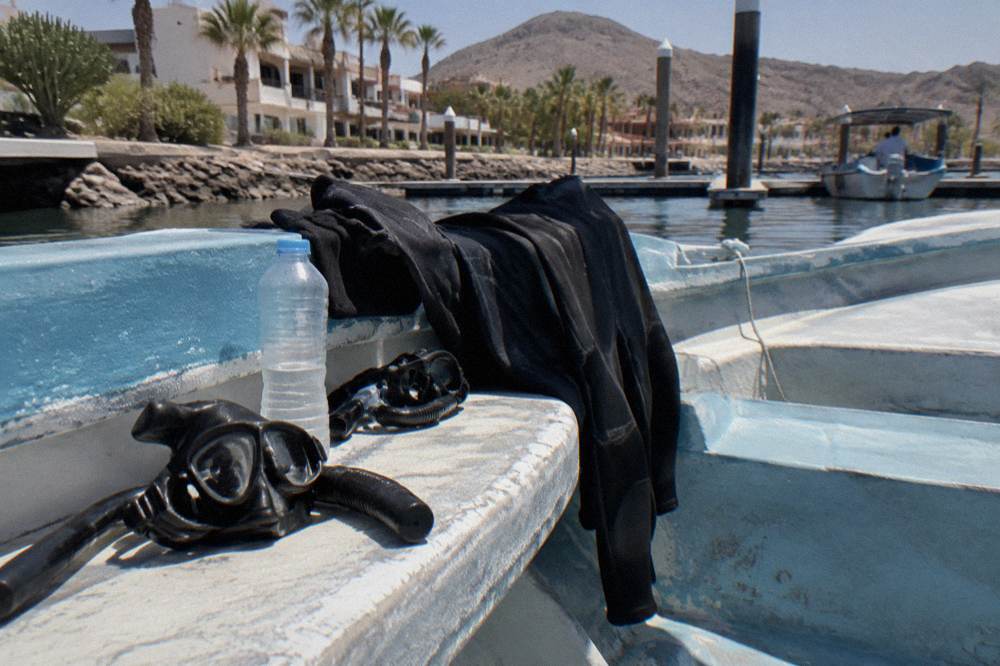
A useful habit is to write to the operator with two specific questions rather than a vague one. Ask what happens if SEMARNAT suspends the activity on your date, and ask what happens if weather stops the boat. Those are two different events with two different answers, and a listing that answers both plainly is a listing that has thought about them. Operators in La Paz deal with count pauses often enough that rescheduling onto a following day is a normal conversation, but normal is not the same as guaranteed, so get the answer in writing before you pay rather than after a low count lands.
A cross-section of the roster, showing what the listings state:
| Tour | Price basis | Rating and reviews | Cancellation on listing |
|---|---|---|---|
| Small Group Whale Shark Snorkeling in La Paz, Mexico (Tuna Tuna Tours) | from $178 per person | 5.0 from 454 reviews | listed |
| Whale Shark Swim Adventure in La Paz (Sunrider Tours) | from $110 per person | 4.4 from 155 reviews | listed |
| Intimate Eco-Friendly Whale Shark Encounter, Premium Service | from $295 per person | 5.0 from 422 reviews | not listed |
| Whale Shark Snorkeling Tour in La Paz (Punta Baja Tours) | from $122 per person | 13 reviews, too few for a star claim | not listed |
| Sea of Cortez Combo (Next Experience Travel) | from $299 per person | 7 reviews, too few for a star claim | not listed |
When the whole bay pauses, a premium product is in the same position as a budget one, which is why the booking-terms question comes before the boat-quality question.
One structural mitigation is built into the calendar: four daily shifts mean an operator can sometimes move you to a later shift or a next-day departure rather than cancel outright, if their terms allow it. Operators report boat rides of 20 to 40 minutes to reach the swim zone, so a day has room for several attempts. None of that is a promise; it is simply the slack in the system.
No. The six-shark rule governs whale shark swimming in Zone I of the La Paz refuge only. Espiritu Santo island tours, sea lion swims at Los Islotes and visits to Balandra beach have their own rules: Los Islotes closes to swimmers 1 June to 31 August for the reproductive season, and Balandra admits visitors in two daily turns of up to 450 people, with a reported MXN 120 per person access fee to confirm on the day.
This matters for itinerary planning, because a day when whale shark boats stay at the dock is still a day on the water. Several roster products bundle the swim with other stops precisely so the day has more than one payoff. The Tuna Tuna Tours Balandra combo runs 6 hours at from $234 per person, rated 5.0 from 113 reviews, and includes lunch, wetsuits, soft drinks, beer and underwater pictures per its listing. The MeXplore version runs the same 6 hours at the same from $234 price point, 4.9 from 73 reviews.
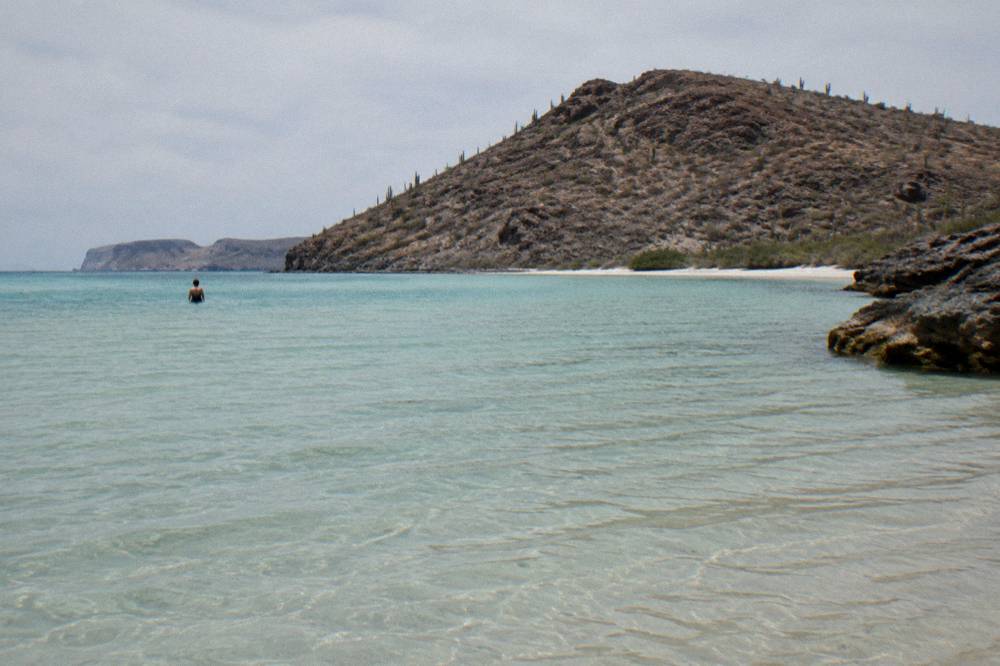
The seasonal closures stack up like this:
| Activity | Season or access window | Governing rule |
|---|---|---|
| Whale shark swim, Zone I La Paz | 1 October to 30 April, paused at 5 or fewer sharks | Season notice under NOM-171 |
| Los Islotes sea lion swim | Open about 1 September to 31 May | Reproductive closure 1 June to 31 August |
| Espiritu Santo park visit | Year round | Park wristband, reported MXN 225 per person per day |
| Playa Balandra | Two turns, 08:00 to 12:00 and 13:00 to 17:00 | 450 visitors per turn |
The 180-swimmer cap at Los Islotes and its June-to-August closure come from the CONANP management plan for the Espiritu Santo protected area, published at simec.conanp.gob.mx. Balandra's controlled access is described on the La Paz municipal tourism site. For depth on the island side, see the Espiritu Santo island tour guide and the sea lion swimming guide.
Booking early secures a slot in the strongest months, December to February, while waiting buys information: no 2026-27 counts exist yet, so early October carries double uncertainty, counts plus the tail of hurricane season. Los Cabos day trips solve logistics, not the rule; they drive to La Paz and swim under the same threshold. The practical answer is book early with flexible terms, in a peak month, from an operator whose cancellation policy you have actually read.
The Los Cabos options illustrate the trade. The Cabo Adventures day trip runs 10 hours at from $259 per person, rated 4.9 from 1141 reviews, and its listing states hotel pickup and drop-off plus lunch and wetsuits. It is the most reviewed product on the roster. The Cabo Trek version runs 9 hours at from $399 per person with transport from the operator's Cabo San Lucas office, 4.9 from 62 reviews. Both put you in the same bay under the same count rule, so the suspension risk transfers unchanged; what you buy is the logistics of not being in La Paz.
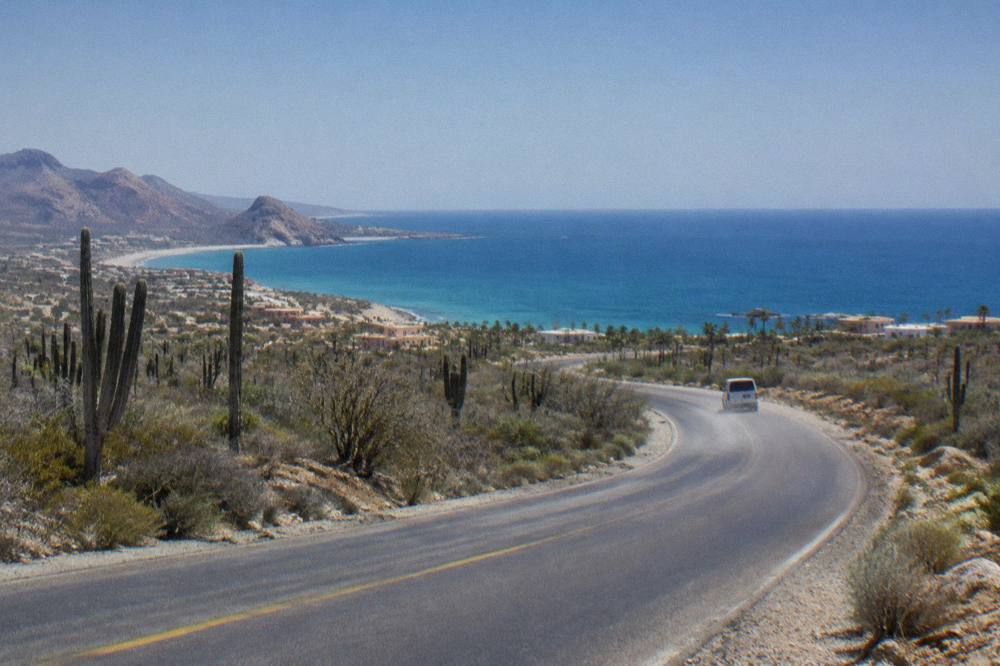
For travelers already staying in La Paz, the certified small-group swim from the Orza Tours listing is a straightforward local option: 5 to 5.5 hours, from $174 per person, meeting at Marina de La Paz on Calle Topete, with the protected-area permit and gear included in the listing. It has no reviews yet, which is a fact to print, not a judgment to dress up. Compare it against the how to choose a whale shark swim framework before deciding.
A booking-window comparison:
| Booking window | Count certainty | Weather note |
|---|---|---|
| Early October | None published yet | Tail of hurricane season, peak-risk months |
| November | First counts usually emerging | Storm season ends 30 November |
| December to February | Historically the strongest months | Calm, cooler, sea around 20 C |
| March to April | Late-season, counts can fall | Settled |
That is the whole picture. The rule is simple, the history is short and well documented, and the only real defense a traveler has is choosing dates in the strong months and reading cancellation terms before paying, not after a count comes in low.
No suspension is in force that this site can report. The 2026-27 season is announced for 1 October 2026 to 30 April 2027, 112 authorizations have been issued, and no CONANP count has been published for the new season yet. Suspensions are event-driven: they begin when counts fall to five or fewer sharks in Zone I.
The seasonal notice ties boat activity to shark counts in Zone I of the refuge. With at least 6 sharks counted, trips run, scaling from 6 boats per shift at 6 sharks to a cap of 14 boats at 14 or more. With 5 or fewer sharks, no swimming or watching trips operate at all. Counts use the average of the two most recent official tallies, rounded up.
In late January 2025, after CONANP counts of 9, 5 and 1 sharks on 20, 26 and 27 January. SEMARNAT suspended the activity and the pause was still reported in place in March 2025. An earlier suspension for low counts happened in 2023, and the 2022-23 season opened late because permits arrived behind schedule.
Terms vary by listing and no general rule can be stated. Free cancellation is listed on most roster products but not all. Before booking, ask the operator directly what happens if the count threshold stops trips on your date, and whether rescheduling is offered. Never assume a re-ride or guarantee; none exists in the regulation.
No. The rule covers whale shark activity in Zone I only. Espiritu Santo tours and sea lion swims at Los Islotes run on their own calendar, with swimming there closed 1 June to 31 August for the reproductive season. Balandra keeps its two daily access turns of up to 450 visitors regardless of shark counts.
December, January and February are reported as the strongest months for shark presence in the bay. No month carries a guarantee, since the January 2025 suspension landed in what is normally a peak month, but booking in that window with flexible cancellation terms is the most defensible strategy.
Before you go, the pick for this guide:
3 Hours, Marine Biologist Guide
★ 4.9 649 reviews · From $178
Check availability →