Is It Worth Going To La Paz?
An honest value verdict on a La Paz trip: whale shark swim and island combo prices, free Malecon and beaches, flights and drives, hurricane season, and who should skip it.
For most travelers who want wildlife rather than nightlife, yes, La Paz is worth the trip, with one condition attached: go inside the whale shark season, which runs 1 October 2026 to 30 April 2027, and treat the swim as the anchor of the visit rather than a bonus. Shared swims run from $110 to $295 per person, the Malecon and Playa Tecolote cost nothing, and Balandra a reported MXN 120, and the town itself is quieter and cheaper feeling than Cabo. If you want all-inclusive resorts and dance clubs, it is the wrong city. Before you commit, our honest look at whether a La Paz whale shark swim earns its price tag covers what the fee includes and which travelers walk away happiest.
That verdict deserves unpacking, because La Paz rewards a specific kind of traveler and quietly disappoints another. This article lays out the numbers that matter: what the famous experiences actually cost, when the calendar works in your favor, what you can do for free on the days you are not on a boat, how much travel time the city demands, and the honest case against going. The featured marine-biologist small group swim, the island combos and the Los Cabos day trips all appear in the price tables below with their verified listing figures, so you can judge the value before you book anything.
What Does A La Paz Trip Actually Cost?
Shared swims run $110 to $295 per person, island combos $234 to $345, and the lone private charter is $1,168 per group, while everything else in town stays cheap by resort standards.
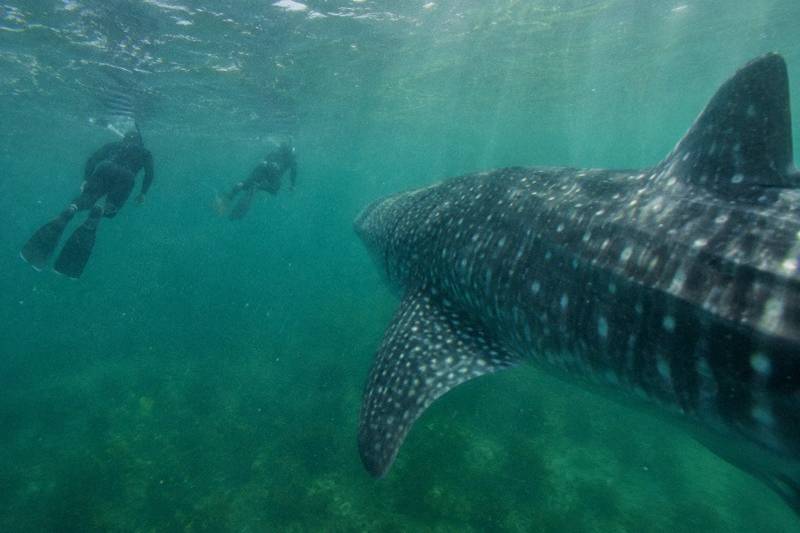
The swim is the anchor purchase, so start there. The cheapest firm-priced shared swim is Sunrider Tours' Whale Shark Swim Adventure at from $110 per person for 2 hours 30 minutes, rated 4.4 from 155 reviews. At the top of the shared range sits the Intimate Eco-Friendly Whale Shark Encounter from La Paz Whale Sharks VIP Tours, from $295 per person with a 5.0 rating from 422 reviews. Between them sits the trip most first visitors actually book: the small-group swim with a marine biologist run by MeXplore, from $178 per person for 3 hours, rated 4.9 from 649 reviews, which is the most reviewed swim departing La Paz. A premium reduced-group experience, a cheap shared boat and a family-style outing all exist inside that same price band, which is unusual for a single wildlife activity.
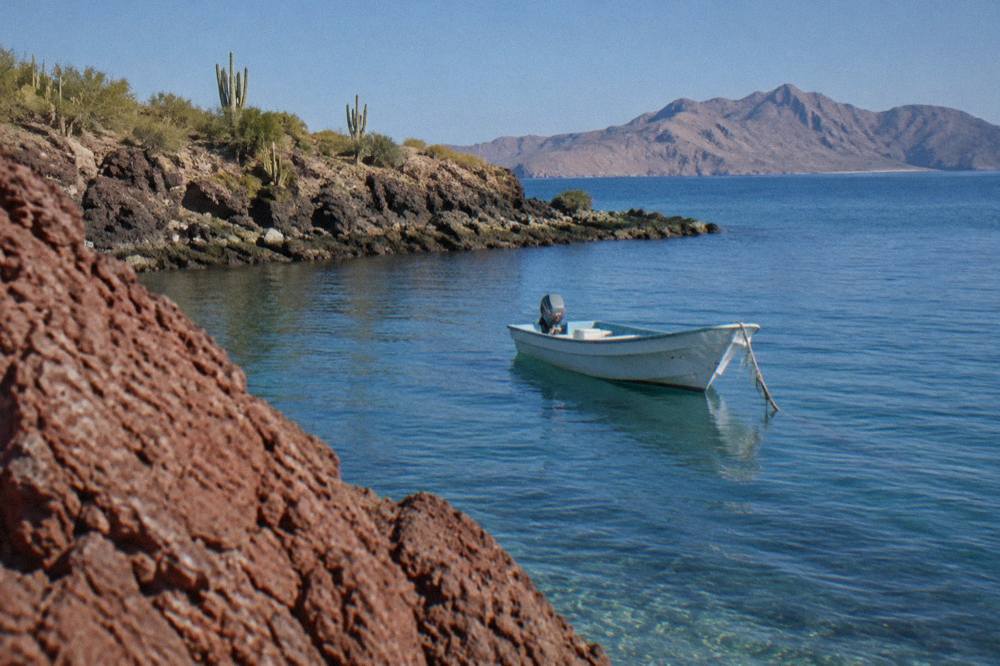
If you want more than sharks in one day, the combos are the better value per hour. Tuna Tuna Tours runs a 6-hour whale shark, sea lion and Balandra combination from $234 per person, rated 5.0 from 113 reviews, with lunch and wetsuits listed. MeXplore's version of the same day, capped at nine guests, is also from $234 per person. Travelers staying in Cabo can buy the same core experience as a 10-hour day trip with hotel pickup; Cabo Adventures' version is from $259 per person and rated 4.9 from 1141 reviews, the most reviewed product on this entire site.
| Product | Operator | Price | Duration | Rating |
|---|---|---|---|---|
| Whale Shark Swim Adventure | Sunrider Tours | from $110 per person | 2 h 30 min | 4.4 from 155 reviews |
| Small group swim with marine biologist | MeXplore | from $178 per person | 3 h | 4.9 from 649 reviews |
| Intimate eco-friendly encounter | La Paz Whale Sharks VIP Tours | from $295 per person | 3 h | 5.0 from 422 reviews |
| Whale shark, sea lion and Balandra combo | Tuna Tuna Tours | from $234 per person | 6 h | 5.0 from 113 reviews |
| Whale shark tour and lunch from Los Cabos | Cabo Adventures | from $259 per person | 10 h | 4.9 from 1141 reviews |
| Private whale shark snorkeling | Orza Tours | from $1,168 per group | 3 h | no reviews yet |
Two small costs sit outside the tour price. Playa Balandra charges a reported MXN 120 per person for access, and the Espiritu Santo park wristband is a reported MXN 225 per person per day; both are marked as reported figures, so confirm on the day. Hotel prices are deliberately not printed here. If you want to weigh the swim against every other way to spend a morning in Baja, the detailed cost breakdown guide does that math line by line.
One honest note on value: no operator can promise a shark. The season rules require at least 6 whale sharks in the swim zone before any trips operate, and if 5 or fewer are counted, the activity pauses. Swims have been suspended in past seasons for exactly this reason. Booking in the peak months reduces, but never removes, that risk.
When Is The Best Time To Go?
The official whale shark season runs 1 October 2026 to 30 April 2027, and the reported best months are December, January and February, when shark concentrations in the bay are typically at their highest. October is officially in season but carries the tail of hurricane season. For a trip built around the swim, aim for the three peak months.
The season dates come from the SEMARNAT aviso issued under NOM-171, which also sets the rules that shape your odds: 112 authorized boats, four shifts a day, and a hard minimum of 6 sharks in Zone I before any swimming happens. The table those rules produce is strict. Six sharks allow 6 boats per shift and 24 per day; fourteen or more sharks allow the maximum 14 boats per shift and 56 per day. Fewer than six sharks means zero trips. This is why the December to February window matters so much: more sharks in the bay means both more boats permitted and more confidence that your booked day goes ahead.
| Month | Season status | Notes for planning |
|---|---|---|
| October | In season | Hurricane season runs to 30 November; peak storm risk is August to October |
| November | In season | Season effectively ramps up; last season opened in November |
| December | In season | Reported peak month, commonly the highest activity |
| January | In season | Reported peak month |
| February | In season | Reported peak month; Carnaval scheduled 4 to 9 February 2027 on the Malecon |
| March | In season | Good in most years; some years show a secondary March peak |
| April | In season | Thins toward the 30 April close |
The last completed season gives a sense of scale. Between the official window of October 2025 and 30 April 2026, monitors identified 56 individual whale sharks, including 20 new juvenile records, and logged 950 sightings, with 11 sharks still present at the close. No counts for the 2026-27 season have been published yet, so nobody can honestly tell you how this season compares; anyone promising a sighting count or a guarantee is selling something the rules do not allow.
Sea temperature matters for comfort more than for sharks. Satellite averages for La Paz run from about 19 degrees Celsius in February to about 30 in September, and operators advise a 3 mm shorty to 5 mm full wetsuit for the 20 to 24 degree water of the core months, which is why many listings include wetsuits. If you are flexible on dates, the month-by-month season guide and the best time to visit guide break the trade-offs down further.
What Is There To Do Besides Whale Sharks?
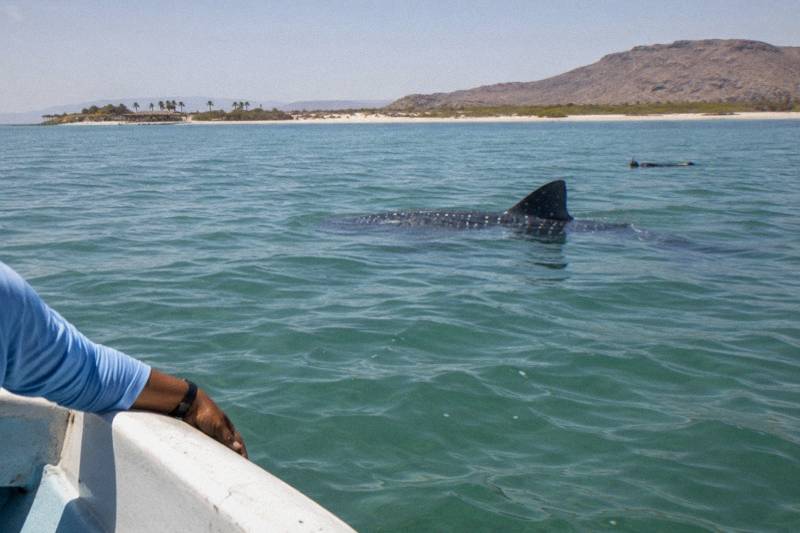
Plenty, and most of the best of it is free or nearly free: the Malecon boardwalk, Playa Balandra and Playa Tecolote cost nothing to walk and swim at, while the paid highlights are the sea lion colony at Los Islotes, the islands of Espiritu Santo, and eating very well along the waterfront. La Paz is a real working city with a marine park on its doorstep, not a resort strip.
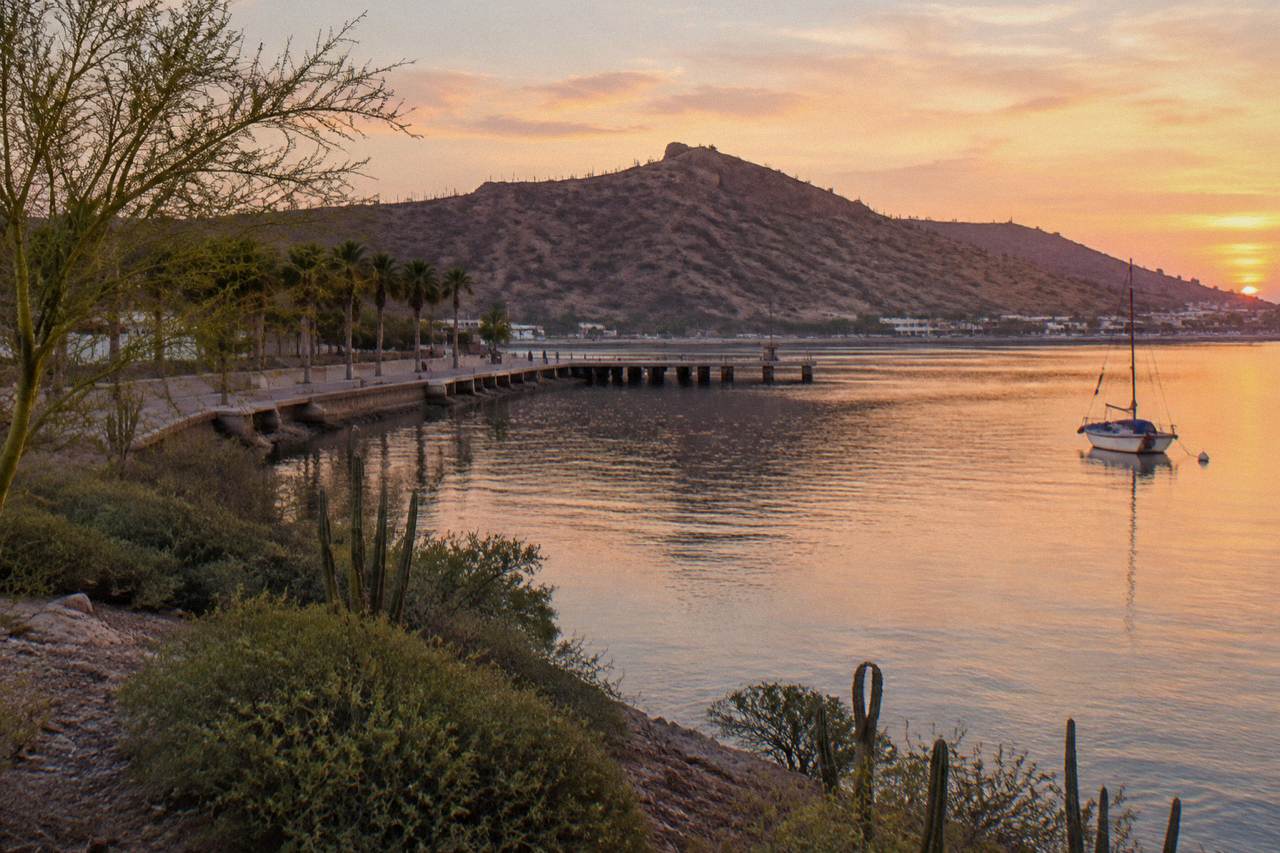
Start with the free layer, because it is genuinely good. The Malecon is a several-kilometer waterfront promenade lined with sculptures, and it is the city's living room: joggers at dawn, families at sunset, food stands in between. Playa Balandra, regularly called one of the most beautiful beaches in Mexico, is a shallow turquoise cove protected by access limits of two daily turns, 08:00 to 12:00 and 13:00 to 17:00, with 450 visitors per turn and a reported MXN 120 per person fee; the municipal tourism pages carry the current rules. Playa Tecolote next door is the longer, livelier stretch where boat tours to Espiritu Santo often stop for lunch. For a fuller no-spend day that adds a free Spanish-language walking tour to these waterfront stops, see our guide to free things to do in La Paz, Mexico.
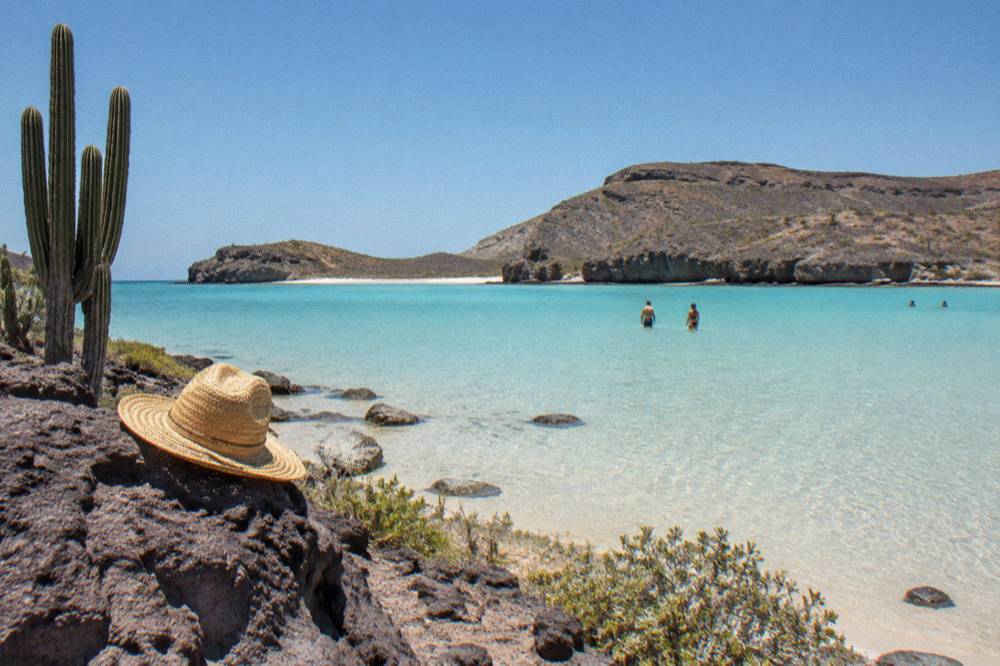
The paid layer is marine. The same operators who run whale shark swims run all-day island trips, and several combine everything in one ticket: whale sharks in the bay, sea lions at Los Islotes and a beach lunch, either the 6-hour combos from $234 per person described above or longer versions such as Baja Sur Tours' 9-hour picnic trip from $278 per person, rated 4.8 from 30 reviews. Los Islotes has its own protections worth knowing: swimming with the colony is capped at 180 people at once in the restricted subzone, and it is closed entirely from 1 June to 31 August for the reproductive season, reopening about 1 September. The whale shark season and the sea lion season overlap almost perfectly, which is precisely why the combos exist.
For context on how the two resort towns compare as bases, the La Paz versus Cabo comparison covers food, nightlife and pace of life in detail. The short version: La Paz trades Cabo's nightlife and direct flight abundance for authenticity, quieter beaches and the bay.
The Sunrider budget swim at from $110 per person suits travelers testing whether the water is for them, and the Tuna Tuna Tours 6-hour combo at from $234 per person is the single best use of one day in the city if you want sharks, sea lions and Balandra in a single ticket.
Is La Paz Hard To Get To?
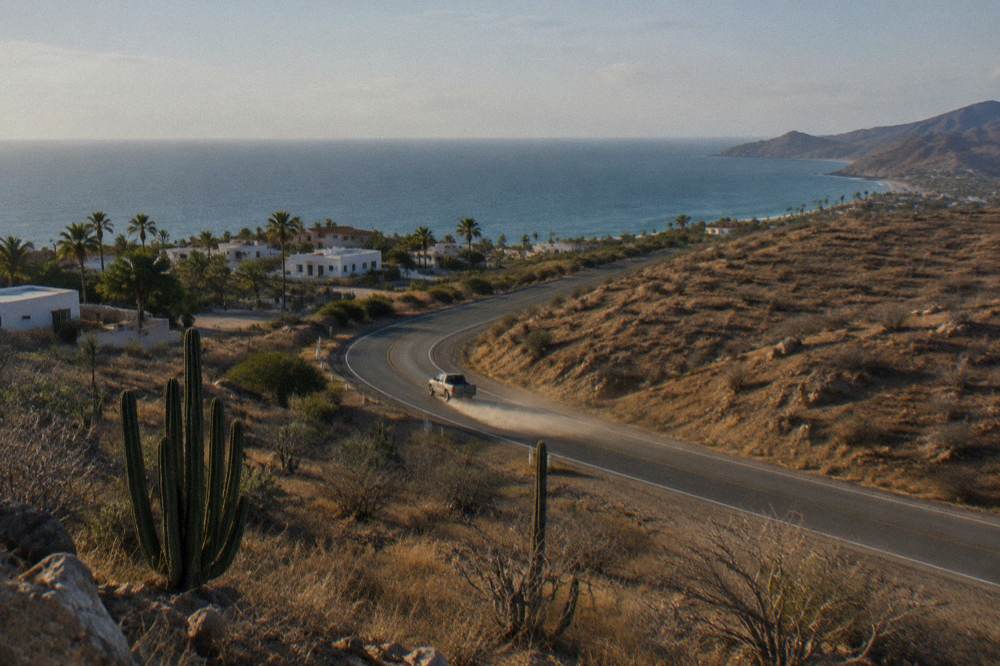
Moderately, and that is part of why it stays pleasant. La Paz's own airport has direct Alaska Airlines flights from Los Angeles of about 2 hours 26 minutes, plus domestic service from Mexico City and Tijuana; most international visitors instead fly into Cabo or San Jose del Cabo and drive about 160 to 214 kilometers, 2 to 3 hours on Highway 19. Neither route is painful, but neither is a nonstop hop either.
If you fly into Los Cabos International, the drive north on Highway 19 through Todos Santos takes roughly 2.5 to 3 hours from the airport, or 2 to 2.5 hours from Cabo San Lucas itself. Regular Aguila and ABC buses cover the route for a roughly MXN 395 to 454 fare, and private transfers run roughly US$230 to US$340 per vehicle one way; those transfer figures are planning ranges, not quotes. The ferry from the mainland, about 10 hours from Topolobampo or 12 from Mazatlan into Pichilingue, exists but rarely makes sense for a short trip.
This travel math is exactly why the Los Cabos day trips exist. If your vacation is anchored in Cabo and you cannot face relocating for two nights, Cabo Adventures runs the 10-hour hotel-pickup day trip at from $259 per person, rated 4.9 from 1141 reviews, and Cabo Trek runs a 9-hour marine-biologist-led version at from $399 per person. The honest trade: you spend about four hours in a vehicle and pay more for the same swim. Staying in La Paz itself gets you a 3-hour, from $178 marine-biologist swim and mornings free for Balandra. Two nights in town beats one exhausting day trip; one day trip beats missing the animal entirely.
Once you are in La Paz, everything is close. Most boats leave from Muelle Fiscal on the Malecon or Marina de La Paz at Calle Topete, and Malecon hotels are a short walk from the first. Operators report 20 to 40 minutes of boat time to reach the swim zone. On-water safety basics, including the hurricane window of 15 May to 30 November, are covered in the getting to La Paz guide; for general travel advisories, check the official State Department page before booking.
Who Should Skip La Paz?
Travelers chasing nightlife, all-inclusive resorts, swimmable-warm winter pools or guaranteed wildlife should skip La Paz and choose Cabo or a Caribbean resort instead. The water is cool in peak shark months, the swim depends on shark counts staying above the legal minimum, the town quiets down early, and getting there costs half a day. La Paz rewards wildlife-first travelers, not amenity-first ones.
Be honest with yourself about the water temperature. The peak shark months of December to February are exactly when the sea is at its coolest, averaging around 20 degrees Celsius by satellite data. That is wetsuit water, and the rules require a wetsuit or life vest anyway. If your mental image of a Baja trip is bathing-suit water, the peak shark window will not match it; the weather by month guide shows the trade-off plainly.
Be equally honest about the animal. The refuge rules exist because the species is listed as threatened, and the counts gate everything: past seasons have seen swimming suspended when sharks thinned out, including a suspension in early 2025. Operators cannot promise sightings, and the honest framing, used throughout this site including the homepage comparison at La Paz Whale Shark Tours, is that you are buying a well-run chance, not a guaranteed encounter. If a maybe is intolerable, spend the money on something else.
And skip La Paz if your trip cannot absorb travel friction. The airport has limited direct routes, and the town genuinely sleeps early. What you get instead is the point of this whole verdict: a bay where the largest fish in the ocean gathers under federal protection, at prices from $110 for a shared boat, in a city that has not yet repaved itself for spring break.
If you do go, and you go between December and February, the marine-biologist small group is the version worth paying for: 3 hours, from $178 per person, 4.9 from 649 reviews, with permits, gear and conservation donation already in the listed price.
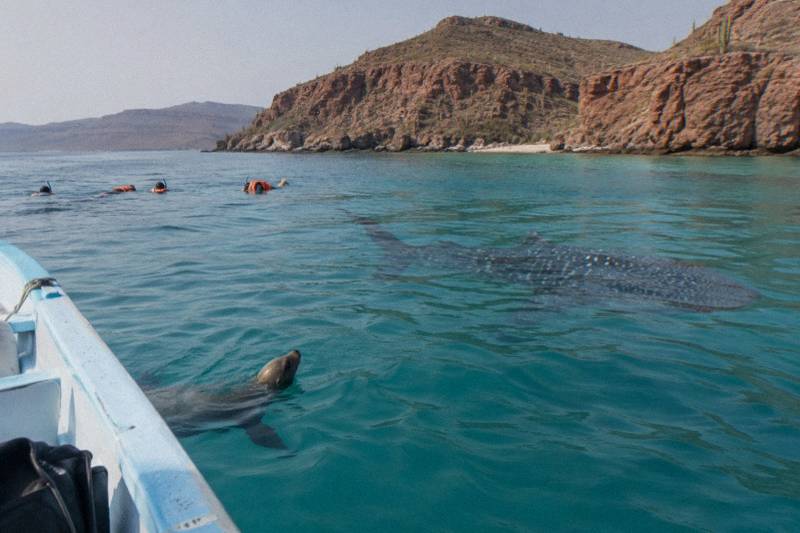
6 Hours, Sea Lions Plus Balandra
Whale Shark And Espiritu Santo Combos · 6 hours
★ 5.0 · 113 reviews · From $234
Check availability →The Honest Verdict
La Paz is worth going to for one reason above all, and that reason is reliable enough to plan a trip around: from October to April the bay hosts a federally regulated whale shark swim that costs from $110 per person on a shared boat, inside a 22,749-hectare refuge, run by 112 authorized local operators. No other easily reached city in North America offers that combination. Around it sits a free, likeable waterfront and world-class beaches.
For the wildlife-first traveler, the math is lopsided in La Paz's favor. A three-night trip with one combination day at from $234 per person and one premium encounter or budget swim still has whale shark swims on the roster from $110 per person, and the free layer, the Malecon, Balandra and Tecolote, fills every non-boat hour at no cost. The premium reduced-group encounter at from $295 per person and the Orza Tours private charter at from $1,168 per group push the ceiling up for travelers who want exclusivity, but the floor is genuinely low.
For everyone else, decide with open eyes. Hurricane-season fringe weeks in October and November carry weather risk. The peak months bring cool water. The swim is regulated by shark counts, not by customer demand, and can pause. The town is quiet by design. If those trade-offs read like reasonable terms rather than dealbreakers, La Paz is not just worth going to, it is the rare destination that mostly delivers exactly what it promises and nothing it does not.
Common Questions About Visiting La Paz
What is the best month to visit La Paz for whale sharks?
December, January and February are the reported best months, falling inside the official season of 1 October 2026 to 30 April 2027. The rules require at least 6 sharks in the swim zone for trips to operate, and the peak months historically have the highest concentrations.
Is La Paz cheaper than Cabo?
Generally yes for the core experiences. Shared whale shark swims start at from $110 per person locally, and the Malecon and Tecolote are free. Cabo-based visitors pay from $259 per person for the same swim as a day trip with several hours of driving added.
Can you swim with whale sharks in La Paz in October?
October is officially in season, but it sits inside hurricane season, which runs 15 May to 30 November with peak risk from August to October. The October whale shark question covers it in detail.
How many days do you need in La Paz?
Two to three nights covers a whale shark swim, one island combination day, and time for Balandra and the Malecon. Fewer than two nights forces you into a single-activity trip; more than four mostly repeats the second boat day.