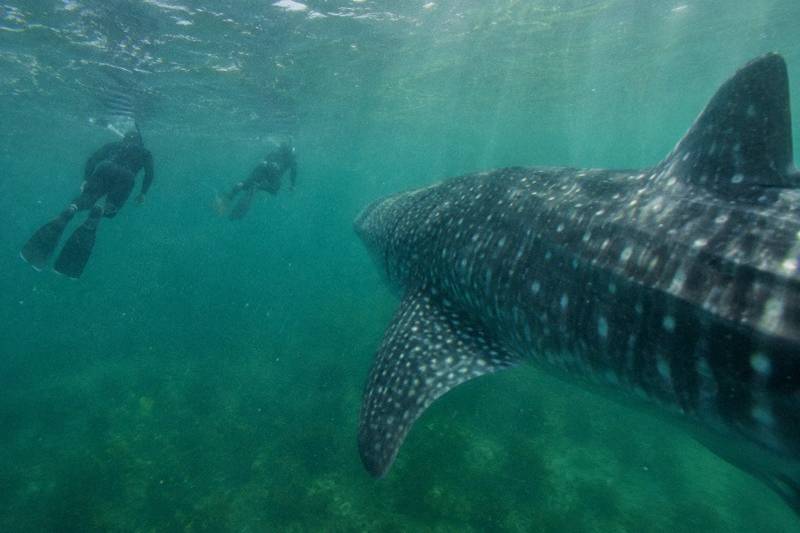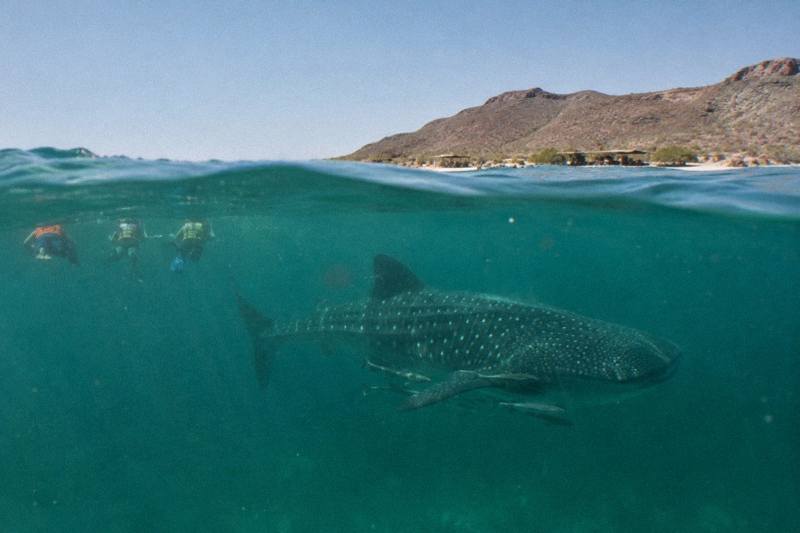
Best Time To Visit La Paz: Month By Month
La Paz runs on two calendars: the whale shark season that opens 1 October and the Pacific hurricane season that closes 30 November. Picking a month means choosing how those two overlap.
Short answer
The best months to visit La Paz for whale sharks are December, January and February, inside the 1 October to 30 April season. For warm water, October sea temperatures average 28.9 C. Hurricane season runs 15 May to 30 November, with peak risk August to October, so early season trips carry weather risk.
La Paz answers the "when" question differently from most beach towns, because the two things most visitors come for, whale sharks and warm clear water, peak at opposite ends of the calendar. The whale shark season runs 1 October to 30 April, when average sea temperatures sit between roughly 19 and 29 C. The warmest water of the year, 29 to 30 C on monthly averages, arrives in August and September, which is also the heart of Pacific hurricane season. If that hurricane overlap gives you pause, our guide to whether La Paz is safe to visit right now explains how to check conditions and boat operator rules before you lock in your dates.
The overlap zone is where most trips land: October through November, when the season opens and the sea is still warm, and December through February, when shark abundance is reported at its best and the weather is cooler and drier. This guide walks the calendar month by month using official climate normals and satellite sea-surface averages, then matches each stretch of the year to what you can actually book, from the marine-biologist small group swim to the Espiritu Santo island combos.
What Is The Best Month To Visit La Paz?
December, January and February are the months most often named the best time to visit La Paz, because they combine the reported peak of whale shark activity with the coolest, driest weather of the year. Sea temperatures average 19 to 22 C in those months, air highs run 25 to 27 C, and monthly rainfall is under 10 mm. Nothing in that window overlaps hurricane season.
Those three months come from reporting on the season itself: coverage of the La Paz whale shark calendar consistently names December, January and February as the months of highest concentration, with some years adding a secondary March peak. The trade-off is the water. January's satellite average of 20.1 C and February's 19.1 C are the coldest of the year, which is exactly why operators hand out wetsuits and why the swim rules require either a wetsuit or a life vest in the water. If you're curious how those swim rules fit the bigger picture of on-water regulations and authorized boats, our guide to visitor safety in La Paz covers the details.
For readers who prioritize warm sea over shark odds, the shoulder months work well. November averages 25.5 C and the weather has dried out after September's 81 mm of rain. October is warmer still at 28.9 C, but it carries the tail of hurricane season, which officially runs to 30 November. A full month by month breakdown follows in the sea temperature section below, and the month by month whale shark season guide covers the shark side of the same calendar in detail.
Beyond the water, February 2027 carries one fixed date worth planning around: Carnaval La Paz is scheduled 4 to 9 February 2027 on the Malecon. It is a city-wide event on the very street where several whale shark boats meet, so the boardwalk will be busier and hotels fuller during those six days than in a typical February week.
When Can You Swim With Whale Sharks In La Paz?
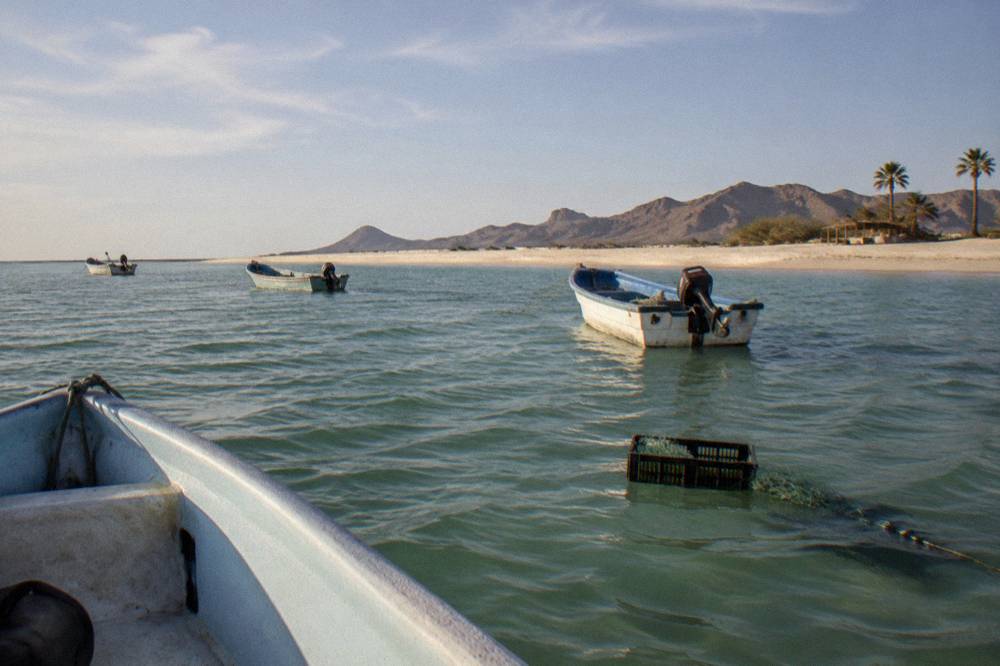
The official whale shark season in La Paz runs 1 October 2026 to 30 April 2027, under a SEMARNAT notice issued under NOM-171. Trips only operate when at least 6 sharks are counted in the swim zone; 5 or fewer means no departures that day. The 2025-26 season identified 56 individual sharks and logged 950 sightings by its 30 April close.
That minimum-six rule is not fine print, it is the reason the season's edges move around. The 2024-25 season saw swimming suspended in late January 2025 after counts of 9, 5 and then 1 shark on three consecutive censuses. The 2022-23 season opened nearly two months late because permits arrived late. For 2026-27, no shark counts have been published since the 1 October start, so nobody can honestly tell you how the season is running yet; the suspension explainer covers how that works.
Daily capacity is also tied to shark numbers. The season notice caps boats per shift by census results: 6 sharks allow 6 boats per shift across 4 daily shifts, while 14 or more sharks allow the hard cap of 14 boats at once. Boats are limited to 11 m and each of the 112 authorized operators holds exactly one pennant.
The featured swim on this site fits the December-to-February window neatly. The Small Group Whale Shark Snorkeling Tour with Marine Biologist, run by MeXplore from Topete 125, is a 3-hour shared trip from $178 per person, rated 4.9 from 649 reviews, the most reviewed La Paz-departure swim on the roster. It includes permits, the conservation donation, wetsuits and GoPro photos and videos, which matters in the cooler months when the wetsuit stops being optional comfort and becomes standard kit.
A budget contrast in the same window is the Whale Shark Swim Adventure by Sunrider Tours, from $110 per person for 2 hours 30 minutes, the lowest firm shared-swim price on the roster, rated 4.4 from 155 reviews. Note its exclusions: dock fee and conservation fee are listed separately, so the on-the-day total differs from the headline price. Whichever month you pick, confirm the meeting point the evening before; slots are assigned daily by the authorities and operators typically confirm by message.
When Is The Sea Of Cortez Warmest Near Espiritu Santo?
The Sea of Cortez near La Paz is warmest in August and September, with satellite monthly sea-surface averages of 29.5 C and 30.1 C. In the whale shark months the sea runs far cooler: 20.1 C in January, 19.1 C in February, 21.3 C in April. Espiritu Santo trips run alongside those shark swims roughly October through spring.
Those sea figures come from satellite-derived monthly averages for La Paz, and they line up with the air record from the official CONAGUA climate normals for the La Paz station, published by the national weather service. Put together, the two records give you the full planning picture:
| Month | Air high (C) | Air mean (C) | Rain (mm) | Sea temp (C) |
|---|---|---|---|---|
| January | 25.4 | 18.8 | 9.3 | 20.1 |
| February | 26.5 | 19.7 | 5.5 | 19.1 |
| March | 29.3 | 21.5 | 0.8 | 20.0 |
| April | 32.2 | 23.7 | 0.2 | 21.3 |
| May | 35.3 | 26.1 | 0.2 | 23.8 |
| June | 37.4 | 28.7 | 0.5 | 25.6 |
| July | 38.2 | 31.0 | 11.7 | 27.7 |
| August | 37.8 | 31.5 | 45.5 | 29.5 |
| September | 35.9 | 30.3 | 81.4 | 30.1 |
| October | 34.0 | 27.6 | 16.7 | 28.9 |
| November | 29.8 | 23.5 | 6.0 | 25.5 |
| December | 25.5 | 19.7 | 6.9 | 21.7 |

The pattern to read from that table: the driest, most comfortable air sits exactly on the coldest water. March and April average under 1 mm of rain, but the sea is around 20 to 21 C. Operators advise a 3 mm shorty to a 5 mm full wetsuit for water in the 20 to 24 C range, and several roster listings include wetsuits outright, which tells you how normal the cooler water is. The full gear rundown is in the what to bring guide.
Espiritu Santo trips mostly bundle the whale shark swim with the island, so they follow the shark calendar rather than the warm-water peak. The Whale Sharks and Sea Lions Snorkeling plus Balandra Beach Lunch combo by MeXplore runs 6 hours from $234 per person, rated 4.9 from 73 reviews, with a shared group capped at 9. A longer alternative, the 9-hour Whale Shark and Sea Lion Snorkeling Picnic at Espiritu Santo Island by Baja Sur Tours, runs from $278 per person, rated 4.8 from 30 reviews. Both include lunch, gear and, in Baja Sur Tours' case, a picnic on the island itself; the Espiritu Santo island guide covers the island day in full.
Sea-surface data for La Paz is tracked monthly from satellite readings, so treat any single number as a monthly average rather than a promise about the day you swim. La Paz Whale Shark Tours keeps the calendar pages current for exactly this reason.
What Is Hurricane Season In La Paz?
The eastern Pacific hurricane season runs 15 May to 30 November, and peak risk falls in August to October. For La Paz this means early whale shark season departures in October carry weather risk, while the December-to-February peak months sit fully outside the season. May through July is hurricane season but historically quieter than late summer.
The dates come from the national weather service's official season definition for the Pacific basin. Peak risk in August, September and October overlaps the first month of the whale shark season, which is a genuine planning consideration: an October trip buys the year's warmest in-season water (28.9 C average) at the cost of a small chance a named storm disrupts the week. September is both the wettest month (81.4 mm on average) and the warmest sea (30.1 C), a combination that suits divers of warm water rather than shark watchers, since no whale shark trips operate then.
| Period | Hurricane risk | Whale shark trips | Notes for planning |
|---|---|---|---|
| December to February | None (outside season) | Operating, reported peak months | Coolest water, 19 to 22 C |
| March to April | None | Operating, season closes 30 April | Driest air of the year |
| May to July | Season open, quieter months | Not operating | Hottest air of the year, highs 35.3 to 38.2 C |
| August to September | Peak risk | Not operating | Warmest sea, 29.5 to 30.1 C |
| October to mid-November | Peak risk tail, ends 30 Nov | Season open from 1 Oct | Warm in-season water, 25.5 to 28.9 C |
One honest caveat: hurricane risk is a reason to build flexibility into an October itinerary, not a reason to cancel it. Storms are intermittent, the season notice's four daily shifts continue, and operators message guests when weather moves a departure. If your dates are fixed and inflexible, the December-to-April stretch removes the variable entirely.
When Is Los Islotes Closed For Sea Lion Swims?
The Los Islotes sea lion colony inside the Espiritu Santo national park is closed to swimming, snorkeling and scuba from 1 June to 31 August for the reproductive season. The swim season runs about 1 September to 31 May, and the restricted swim subzone is capped at 180 people in the water at once.
That closure comes from the park's management programme, which sets the 180-person cap for the Los Islotes swimming subzone and the summer shutdown to protect females, pups and territorial males. In practice the cap rarely affects an individual visitor; it governs total concurrent swimmers across all operators. The dates do affect planning: anyone combining whale sharks and sea lions needs a month when both are open, which is exactly the October-to-April season window.
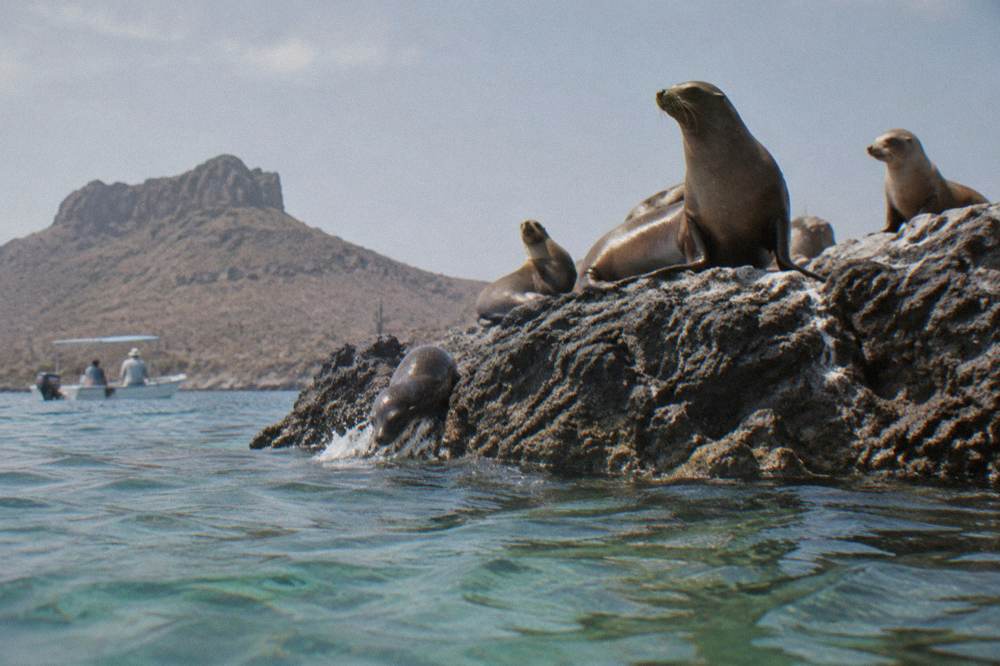
The combos on this site all respect that calendar by design. The La Paz Whale Shark and Sea Lion Snorkeling plus Balandra Tour by Tuna Tuna Tours, 6 hours from $234 per person with groups up to 10, rated 5.0 from 113 reviews, includes lunch, wetsuits, soft drinks and beer, and underwater photos.
Park entry is a separate line item from the tour price. The Espiritu Santo park wristband is reported at MXN 225 per person per day, with discounts for students, teachers, residents, children and seniors with ID; confirm the current amount on the day, as this is a reported secondary figure. Some roster listings fold all fees and taxes into the price, so check what your specific tour states.
How Does Playa Balandra Timing Fit A La Paz Trip?
Playa Balandra runs two daily access turns, 08:00 to 12:00 and 13:00 to 17:00, capped at 450 visitors per turn, with a reported MXN 120 per person fee. From La Paz the beach is roughly a 30-plus minute drive.
The turn system is year-round, not seasonal, per the municipal tourism pages for Playa Balandra. But it interacts with the visitor calendar: December through February is both shark season and high season for the beaches, so a same-day plan of a morning shark shift followed by an afternoon Balandra turn is a common itinerary, and it is essentially what the combo tours sell.
Several combos build the beach stop in for you. The Sea of Cortez Combo by Next Experience Travel, 6 hours 30 minutes from $299 per person, includes beach chairs and umbrellas at Balandra plus a ceviche picnic, though with only 7 reviews on the listing there is little review signal yet. The Balandra 6-hour 8-guest tour by La Paz Tiki Tours runs from $269 per person with a beach picnic lunch of ceviche and guacamole, no reviews yet. Full details are in the Balandra access and hours guide.
February visitors get one more fixed event: Carnaval La Paz, scheduled 4 to 9 February 2027 on the Malecon, with organizers confirming a no-pyrotechnics format. It is the city's biggest annual event, and it lands in the best shark month, so book boats and rooms early for that week if festivities are part of the draw, or shift a week later if you want the quiet version of the same season.
When Is The Best Time To Visit La Paz On A Los Cabos Trip?
The three Los Cabos day trips to La Paz run 7 to 10 hours door to door and only make sense inside whale shark season, 1 October to 30 April. December to February pairs the best shark months with cool weather for the roughly 2 to 2.5 hour drive each way from Cabo San Lucas, about 160 km on Highway 19.
Day-trippers face the same calendar as everyone else plus a travel budget. The most reviewed product on this entire roster is the La Paz Whale Shark Snorkeling Tour and Lunch From Los Cabos by Cabo Adventures, rated 4.9 from 1141 reviews, from $259 per person for a 10-hour day with hotel pickup and drop-off, lunch and wetsuits included. A smaller-group alternative is the Whale-Shark Snorkeling Excursion to La Paz by Cabo Trek, 9 hours from $399 per person with a marine-biologist guide, lunch and transport from the Cabo Trek office, though hotel pickup is excluded.
| Trip | Operator | Duration | From (USD) | Rating |
|---|---|---|---|---|
| Day trip with lunch, hotel pickup | Cabo Adventures | 10 hours | $259 per person | 4.9 from 1141 reviews |
| Excursion with marine biologist | Cabo Trek | 9 hours | $399 per person | 4.9 from 62 reviews |
| Whale shark swim plus Todos Santos | BallardTours | 7 hours | $353 per person | No reviews yet |
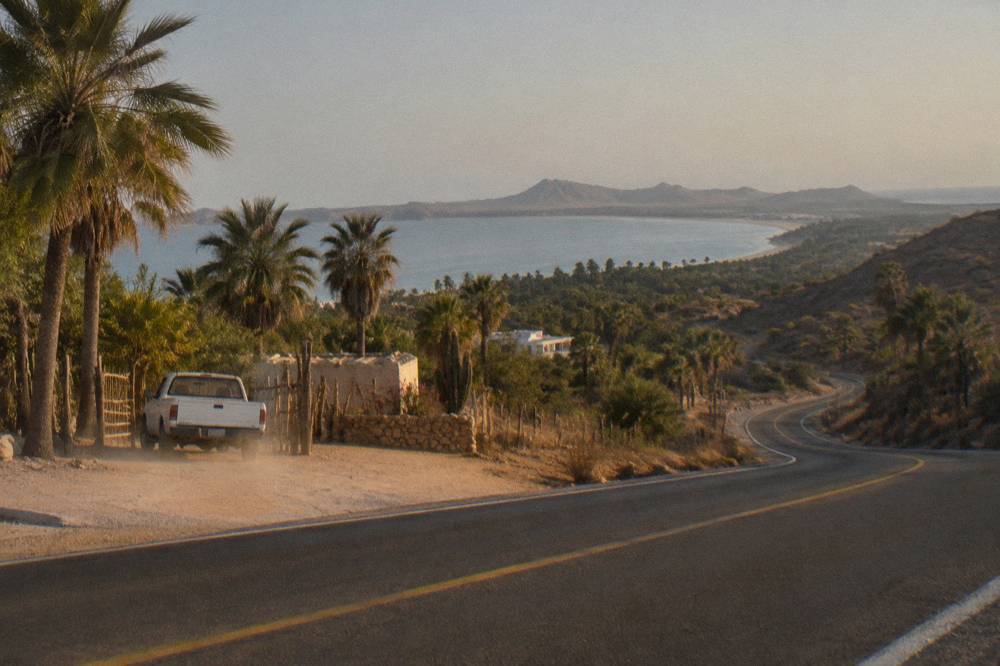
Timing within the day matters as much as the month. Local shifts are assigned by the authorities across four daily slots, commonly morning windows, and the boat ride out to the swim zone takes 20 to 40 minutes as operators report it. A day trip that leaves Cabo before dawn reaches the mid-morning shifts comfortably; a late start compresses everything. The Cabo to La Paz day trip guide works through the logistics, and the getting to La Paz guide covers buses, transfers and the drive in detail.
Off-season Cabo visitors, meaning May through September, should not expect a whale shark day trip at all: no local La Paz swim operates then, and this site has no data on shark activity near Cabo itself. For those months the honest answer is that the day trip calendar and the season are the same thing, and the next opening is 1 October.
Staying in La Paz itself rather than commuting from Cabo buys back those hours and puts you walking distance from the Muelle Fiscal pier, where several roster boats meet. The trade-offs between the two bases are laid out in the La Paz or Cabo comparison, and the month-by-month weather background sits in the La Paz weather guide.
Can You Visit La Paz Outside The Whale Shark Season?
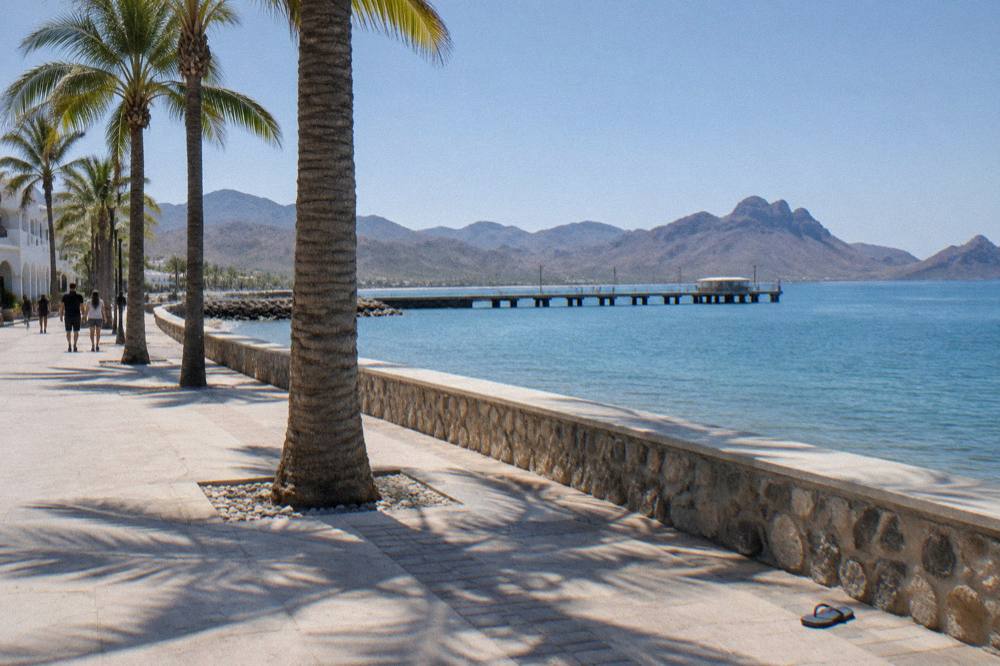
Yes, La Paz is a year-round destination; only the whale shark swim has a fixed 1 October to 30 April window. Summer brings the warmest sea (27.7 to 30.1 C from July to September) and the Los Islotes sea lion swims stay open until about 31 May. The trade-offs are heat, hurricane risk and the absence of the region's signature swim.
A summer trip is a different product, not a lesser one. Espiritu Santo island tours, snorkeling, fishing and the beaches all run, and the sea is at its warmest and most inviting for long swims. Playa Tecolote and the island beaches shine in that weather. What you give up is the reason most international visitors come: no whale shark trips run, the sea lion colony closes its swims 1 June to 31 August, and August to October carries the peak of the hurricane season. If those summer tradeoffs have you second-guessing the whole trip, our honest verdict on whether La Paz is worth your money weighs the costs against the free pleasures and tells you who should skip it entirely.
Late spring, May, is the hinge month. The sea has reached 23.8 C, the air is hot at 35.3 C average highs but the rains have not started (0.2 mm), sea lion swims are still open until about 31 May, and the crowds of winter have gone. The last week of April can even catch the final days of the shark season if the sharks and counts cooperate, though operators cannot promise it that late.
For travelers whose dates are flexible, the ranking this site's reporting supports is: December to February first for sharks and comfortable weather, October and November for warm in-season water with a small storm caveat, March and April for dry air and a calmer town, May for warm sea without sharks, and June to September only if heat and the underwater world matter more than whale sharks.
Common Questions About The Best Time To Visit La Paz
What Is The Best Month To Visit La Paz?
December, January and February, per reporting on the whale shark season: those months combine the reported peak of shark activity with cool, dry weather. Sea temperatures average 19 to 22 C, so a wetsuit is standard.
When Is Whale Shark Season In La Paz?
1 October 2026 to 30 April 2027, under the SEMARNAT season notice. Trips require at least 6 sharks counted in the swim zone; 5 or fewer means no departures that day.
When Is Hurricane Season In La Paz?
15 May to 30 November in the eastern Pacific, with peak risk August to October. Early October whale shark trips fall inside the tail of the risk window; December onward does not.
What Is The Warmest Month For Swimming In La Paz?
By sea temperature, September, averaging 30.1 C, followed by August at 29.5 C. Inside whale shark season, October is warmest at 28.9 C on average.
Is February A Good Time To Visit La Paz?
Yes: it is one of the three reported peak whale shark months and it sits outside hurricane season. Carnaval La Paz is scheduled 4 to 9 February 2027 on the Malecon, so expect a busier city that week.
Can You Swim With Whale Sharks In La Paz In Summer?
No. The season closes 30 April and no swim operates from May to September. The next opening is 1 October, subject to the minimum six sharks being counted.