La Paz Weather By Month: Air, Sea And Wind For Boat Days
La Paz is a desert city beside a warm sea, and almost every month of the year is workable for a boat day. The numbers below, from Mexico's official climate normals and satellite sea surface readings, show what each month actually feels like on the water.
Short answer
La Paz air temperatures run from a mean of 18.8 C in January to 31.5 C in August, and the sea ranges from about 19 C in February to 30 C in August and September. Rain is scarce except in August and September. Whale shark season, October to April, sits in the cooler, drier half of the year.
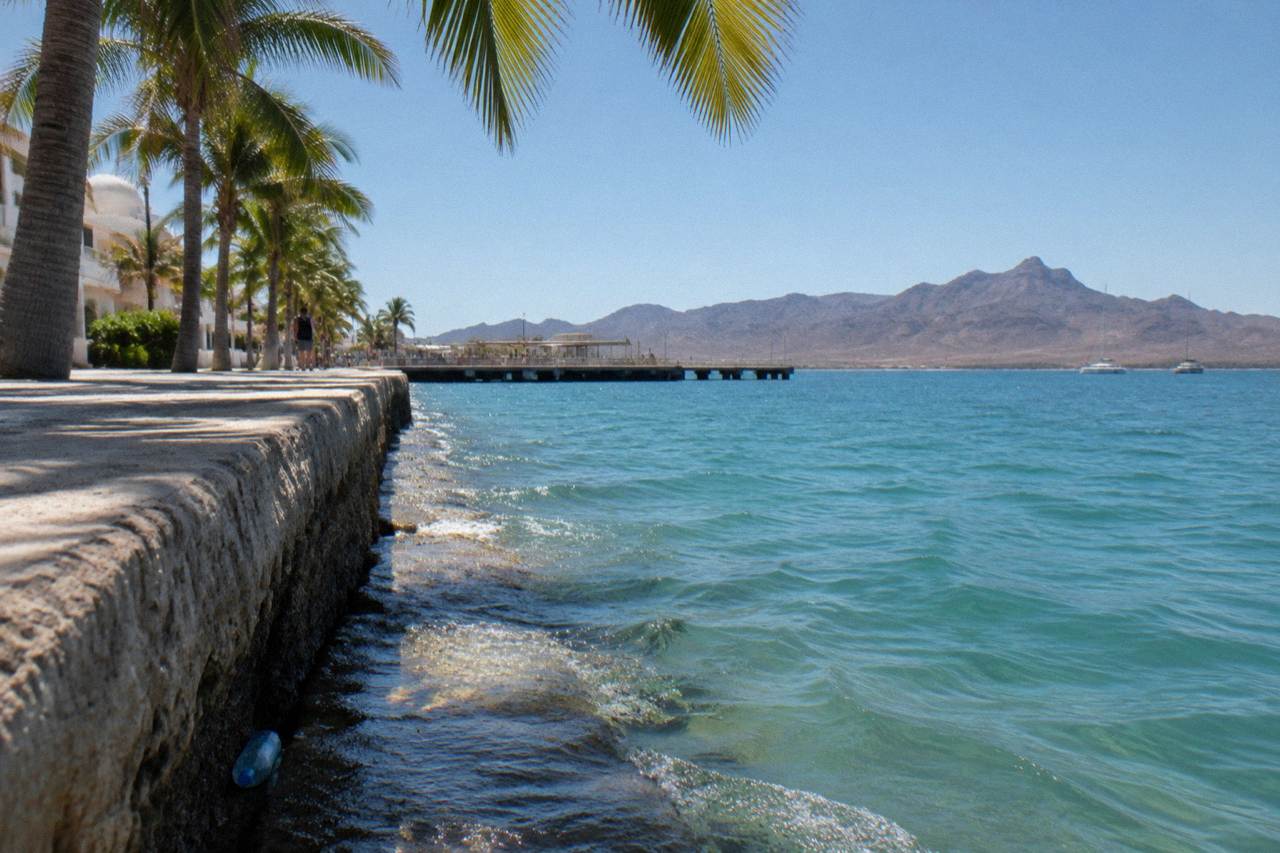
La Paz sits at the southern edge of the Sonoran Desert climate zone, on a bay of the Sea of Cortez that behaves more like a warm bathtub in late summer and a cool, clear pool in midwinter. The city's official weather record, kept by Mexico's national weather service at station 3074 in La Paz, shows a place with two real seasons rather than four: a hot, humid, occasionally stormy summer and a mild, almost rainless winter that happens to coincide with whale shark season. Anyone planning a boat day, whether that is a whale shark swim, an Espiritu Santo island run or an afternoon at Balandra, is really asking one question: will the water and the sky cooperate on my dates. If that mild winter has you picturing a swim, our guide to the real odds of seeing a whale shark in La Paz explains how season timing and tour choice shape your chances.
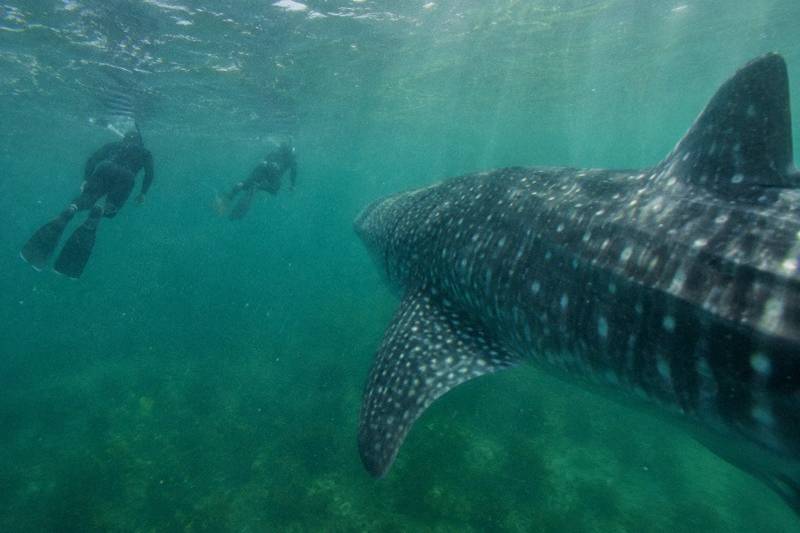
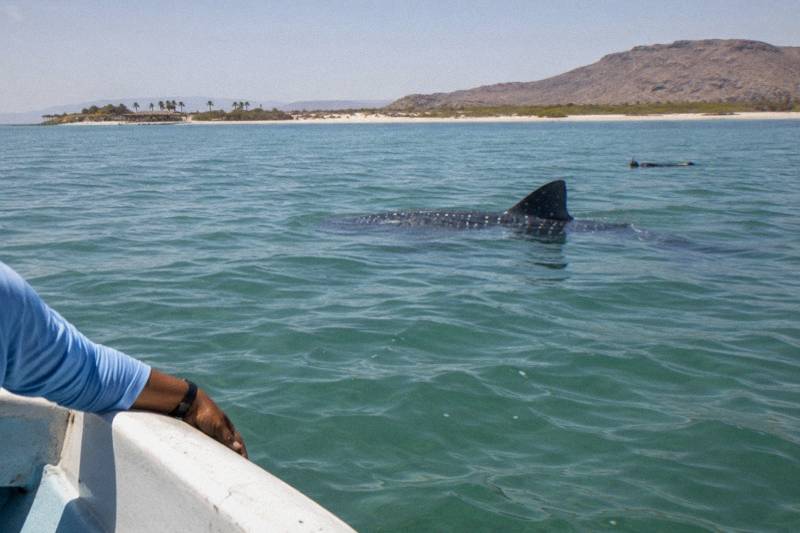
The short answer is that they usually do. Even the coldest month of the year, January, averages a daytime high of 25.4 C, and the sea in the bay rarely drops below 19 C. What changes month to month is the sea temperature you will float in for an hour, the chance of a rainy afternoon, and, from late May through November, the small but real possibility that a Pacific hurricane influences your plans. The marine-biologist small group swim, the featured whale shark tour on La Paz Whale Shark Tours, runs through all of it from October to April, and the roster's island combos run in the same window because the combos pair the swim with the sea lions and Balandra.
This guide lays out all twelve months in numbers first, then translates those numbers into practical decisions: wetsuit thickness, whether rain matters, which months carry hurricane risk, and how the weather lines up with the whale shark season window. If you want the season calendar itself rather than the climate behind it, the whale shark season month-by-month guide covers the shark side of the equation.
What Is The Weather Like In La Paz By Month?
La Paz has two seasons rather than four: a mild, almost dry October-to-April stretch with daytime highs of 25 to 34 C, and a hot May-to-September stretch with highs above 35 C, high humidity and nearly all of the year's rain. The coldest month is January, with an average temperature of 18.8 C and an average low of 12.3 C. The hottest is August, with an average of 31.5 C.
The air figures come from the CONAGUA climate normals for 1991 to 2020, recorded at station 3074 in La Paz and published by Mexico's national weather service. Normals are 30-year averages, so they describe the typical month, not a forecast for any particular week.
| Month | Mean high C | Mean temp C | Mean low C |
|---|---|---|---|
| January | 25.4 | 18.8 | 12.3 |
| February | 26.5 | 19.7 | 12.8 |
| March | 29.3 | 21.5 | 13.7 |
| April | 32.2 | 23.7 | 15.2 |
| May | 35.3 | 26.1 | 16.9 |
| June | 37.4 | 28.7 | 19.9 |
| July | 38.2 | 31.0 | 23.8 |
| August | 37.8 | 31.5 | 25.2 |
| September | 35.9 | 30.3 | 24.7 |
| October | 34.0 | 27.6 | 21.2 |
| November | 29.8 | 23.5 | 17.2 |
| December | 25.5 | 19.7 | 13.9 |
Two things stand out. First, the swing between day and night is large for most of the year, 10 to 13 degrees in winter, which is why morning boat departures feel so much cooler than the afternoon. Second, the summer plateau is long: June through September all average above 28 C around the clock, and July and August nights barely drop below 24 C. The months that bracket whale shark season, October and April, are genuinely warm but not punishing, which is one reason they are comfortable months to be on a boat all day.
The transition months deserve a note. March and April warm up quickly, roughly two degrees of mean temperature per month, while October and November cool at the same pace. If you dislike heat, the November-to-March window is your friend; if you dislike cool water, read the next section before booking anything in January or February.
How Warm Is The Sea In La Paz Through The Year?
Sea surface temperature in the bay at La Paz ranges from a low of about 19.1 C in February to a high of about 30.1 C in September, according to satellite averages published by seatemperature.org. The whale shark months of October through April span roughly 19 to 29 C, with the coolest water in February and March and the warmest at the October opening.
These are satellite averages for the La Paz area from NOAA sea surface temperature readings, not measurements taken at the swim zone on any given morning, and the shallow bay can run a degree or two either side of them. They are still the best month-to-month picture available, and they line up with what operators describe: buoyant, bath-like water in early autumn and a bracing but perfectly swimmable chill by midwinter.
| Month | Sea surface C | Month | Sea surface C |
|---|---|---|---|
| January | 20.1 | July | 27.7 |
| February | 19.1 | August | 29.5 |
| March | 20.0 | September | 30.1 |
| April | 21.3 | October | 28.9 |
| May | 23.8 | November | 25.5 |
| June | 25.6 | December | 21.7 |
The winter sea temperature is the number that surprises people. February's average of 19.1 C is cooler than the air feels at midday, and an hour in it without a wetsuit leaves most swimmers cold. Operators advise a 3 mm shorty at the warm end of the season and up to a 5 mm full suit for the 20 to 24 C water that characterizes the core months, and CONANP rules require either a wetsuit or a life vest for anyone in the water with whale sharks. Most La Paz tour listings include wetsuits in the price, which is worth confirming on the operator's page rather than assuming.
Summer is a different story. From July through September the sea holds near 29 or 30 C, warm enough that a wetsuit is unnecessary for any other water activity, though this is outside the whale shark window and coincides with both the rainy season and hurricane season. For swimmers who feel the cold, the shoulder months of October and November, with sea temperatures of about 29 and 26 C, offer warm water inside the season; those months are covered in more detail in the October whale shark discussion on the blog side of this site.
If matching water temperature to gear is the decision you are making, the what-to-bring gear guide breaks the kit list down item by item, and the premium reduced-group encounter from $295 per person includes biodegradable sunscreen SPF 50 among its listed inclusions, which is the only sunscreen permitted in the water under the swim rules.
When Does It Rain In La Paz And Does It Stop Boat Trips?
La Paz is a desert city: it averages only 184.7 mm of rain across the whole year, and more than two-thirds of that, about 127 mm, falls in August and September alone. From November through June, monthly rainfall averages less than 12 mm. Rain rarely stops a boat trip outside late summer, and operators decide day by day.
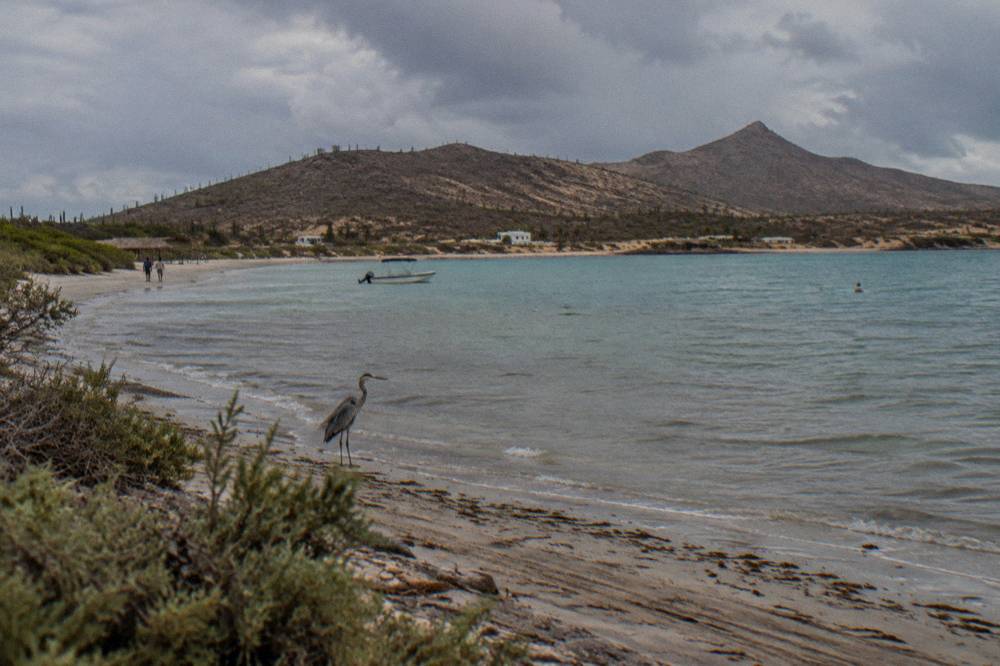
The rain pattern is classic monsoon-shaped: bone dry from November through May, then a sharp spike in late summer when moist air from the Pacific and the Gulf pushes north. A single August or September storm can drop more rain in an afternoon than the entire winter half of the year receives. What that means practically is that rain is almost never your planning problem in whale shark season; the rare winter shower passes within hours, and the big decision driver in those months is wind and sea state, which varies day to day and is not something a monthly table can predict.
| Period | Average rain | What it means for boat days |
|---|---|---|
| November to June | Under 12 mm per month | Rain is a non-factor; book freely |
| July | 11.7 mm | Humid, hot, occasional storms |
| August | 45.5 mm | Storm risk rises; some days lost |
| September | 81.4 mm | Wettest month; weather cancellations possible |
| October | 16.7 mm | Quick tail of the rainy season; mostly fine |
September's 81.4 mm average deserves respect if you are booking anything on the water that month, even though it sits just before the whale shark season opens on 1 October. October itself averages only 16.7 mm, and by November the rain is effectively finished. The season-opening month therefore carries far less weather risk than the weeks before it, though early-October storms remain possible since the hurricane season does not formally end until 30 November. If you're weighing how these patterns shape the rest of the year, the month by month guide to timing a La Paz trip weighs whale shark season against hurricane risk, sea lion closures and Carnaval dates.
What the roster does show is what each listing includes, from snacks and wetsuits to permits and photos. The 2.5-hour Whale Shark Swim Adventure from $110 per person lists water, snacks, equipment, a professional guide and passenger insurance among its inclusions, while conservation and dock fees appear as exclusions on that listing, a difference worth reading closely before you book.
What Does The Weather Mean For A Whale Shark Swim In La Paz?
The whale shark season, 1 October to 30 April, sits entirely inside the cooler, drier half of the La Paz year: sea temperatures of roughly 19 to 29 C, air highs of 25 to 34 C and very little rain. January and February are the coldest months in the water, and October and November are the warmest in the water.
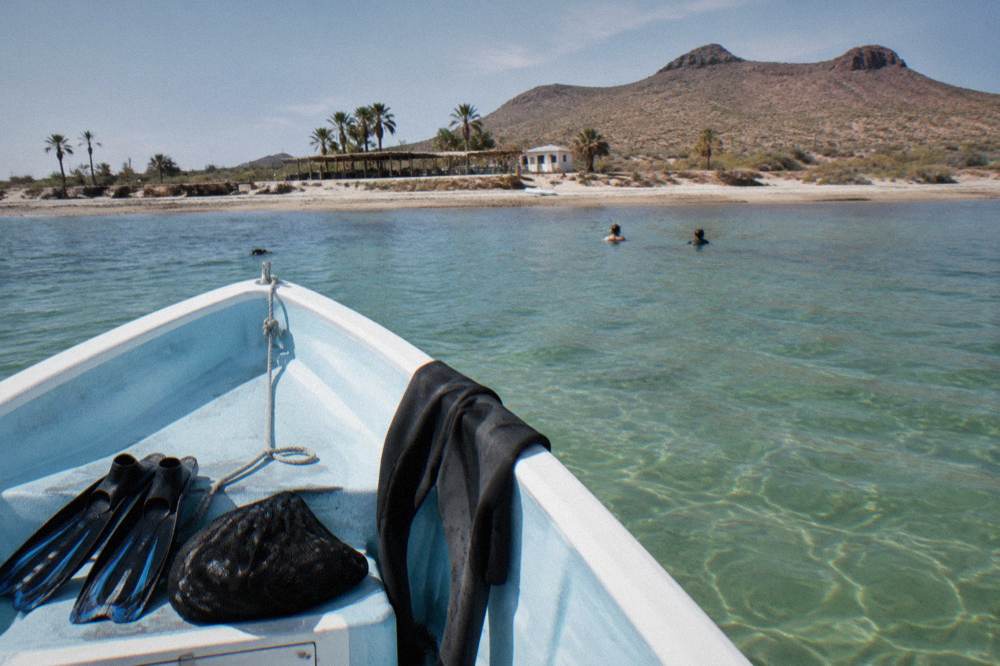
The overlap between climate and season is not an accident. Whale sharks gather in the bay to feed on plankton, and the winter mixing and upwelling that cools the water is part of what supports that food supply. For a swimmer, the practical translation is a gear decision. December through March, with sea averages of about 19 to 22 C, is full-wetsuit weather for most people; the listings that include wetsuits state so explicitly, such as the small-group marine-biologist swim from $178 per person with 4.9 from 649 reviews, which lists snorkel equipment and wetsuits among its inclusions.

Beyond warmth, three weather realities shape a swim morning. First, departures are early: the aviso that governs the season sets four shifts a day, and operators commonly confirm exact times the evening before. A 7 a.m. checkout in January at 12 to 15 C feels cold on the dock in a way the 25 C afternoon high does not, so bring the sweatshirt that several listings tell you to bring. Second, the boat ride to the swim zone takes 20 to 40 minutes by operator accounts, exposed to whatever wind is running that day. Third, sea state, not rain, is what actually postpones trips, and that is a daily call the operator makes, not a monthly one.
The 3.5-hour Whale Shark Adventure with a Marine Biologist, from $159 per person with a 4.9 rating from 109 reviews, includes snacks, drinks, snorkel gear and wetsuits, and like every local swim on the roster it meets in La Paz rather than Los Cabos. For readers pairing the swim with a second water day, the Espiritu Santo island guide covers the sea lion colony calendar, which runs on its own closure window of 1 June to 31 August at Los Islotes, which falls entirely outside the whale shark season.
When Is Hurricane Season In La Paz?
The eastern Pacific hurricane season runs officially from 15 May to 30 November, with peak risk from August through October. The whale shark season opens on 1 October, inside that tail, so early-October trips carry a small residual weather risk that fades through November as the season closes. If you're weighing whether that early-season gamble pays off, our honest look at October whale shark swims in La Paz explains what the opening weeks usually deliver.
La Paz and the rest of Baja California Sur sit in the path of eastern Pacific storms, and the national weather service's official window, mid-May to the end of November, is the frame to plan around. The practical risk is concentrated in the August-to-October peak: September, the wettest month in the normals, is also the stormiest. October departures are usually fine, but a reader booking the very first weeks of the season should know that an occasional weather day is possible and that operators, not calendars, make the call.
After mid-November the risk is effectively over for the season, and the December-to-April core of the season runs through what is meteorologically the quietest stretch of the Baja year. That is worth weighing if you are choosing between an October trip for warm water and a January trip for reliability: October offers a 28.9 C sea but sits inside the last two months of hurricane season, while January offers a 20.1 C sea and near-zero storm risk. Neither choice is wrong; they are different trade-offs.
Travel advisories are a separate question from weather, and this site does not issue blanket safety verdicts; check the official State Department page for Baja California Sur before booking, and read the practical guidance in the is La Paz safe overview if that is part of your planning.
Which Months Have The Best Weather For Balandra And Espiritu Santo?
For beach and island days, November through May offers the most reliable combination: highs of 25 to 32 C, almost no rain, and sea temperatures falling from about 25 C in November to 21 C in the depths of winter. Balandra caps access at two daily turns and 450 visitors per turn, so weather and crowd timing both matter.
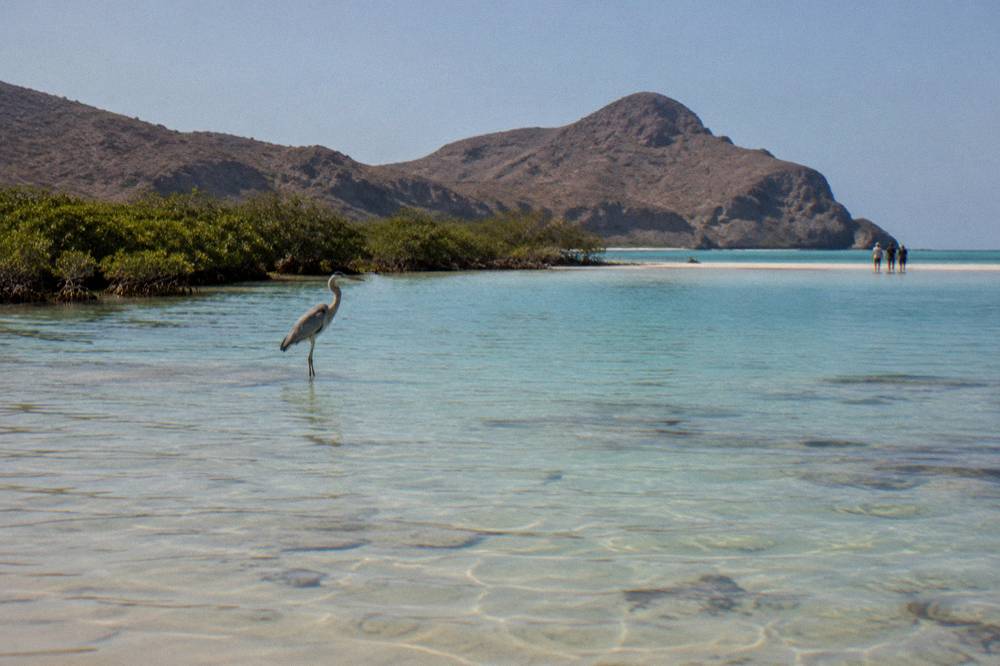
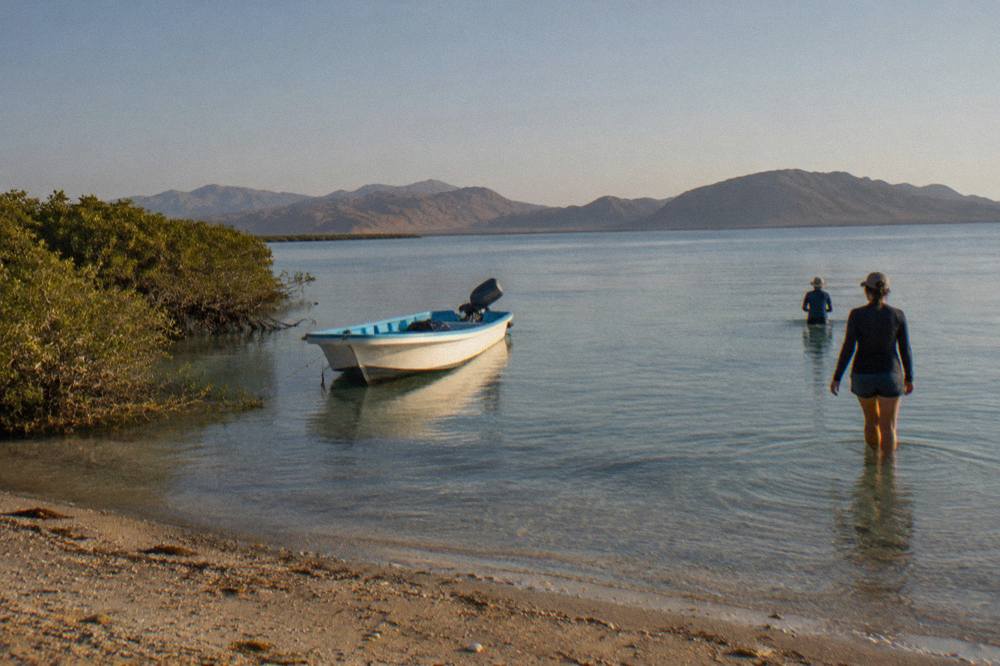
Balandra, the shallow, famously warm pocket beach north of town, is at its most swimmable in the months when the tide and the turn schedule line up with midday sun, which describes almost the entire October-to-May stretch. The access system, two turns of 450 visitors each with a reported fee of MXN 120 per person to confirm on the day, is covered in detail in the Balandra access guide. Weather-wise, the only months to think twice about are the late-summer wet ones, and even then the issue is storms rather than cold.
Espiritu Santo days are longer and more exposed, typically six to nine hours on the water for the combo listings. Those hours reward the calm-air months: March through May and October through November are the sweet spot where heat, wind and rain are all manageable. The full-day combo with Tuna Tuna Tours, from $234 per person with 5.0 from 113 reviews, runs six hours and includes lunch, wetsuits and drinks; the Espiritu Santo picnic version from Baja Sur Tours runs nine hours from $278 per person. On a February day, both are wetsuit days; on a November day, the wetsuit is optional comfort.
For a month-by-month read on which part of the season suits you, the season guide lines the shark calendar up against these same weather numbers, and the best time to visit La Paz overview folds in Carnaval, which is scheduled for 4 to 9 February 2027 on the Malecon, one more reason a February trip can be bigger than just the water.
How Should You Read These Numbers When Booking?
Treat the monthly figures as a baseline and the daily forecast as the decision: normals tell you what to pack, the operator's same-day call tells you whether the boat leaves. The single most consequential numbers for a whale shark trip are February's 19.1 C sea average and October's position inside the hurricane-season tail.
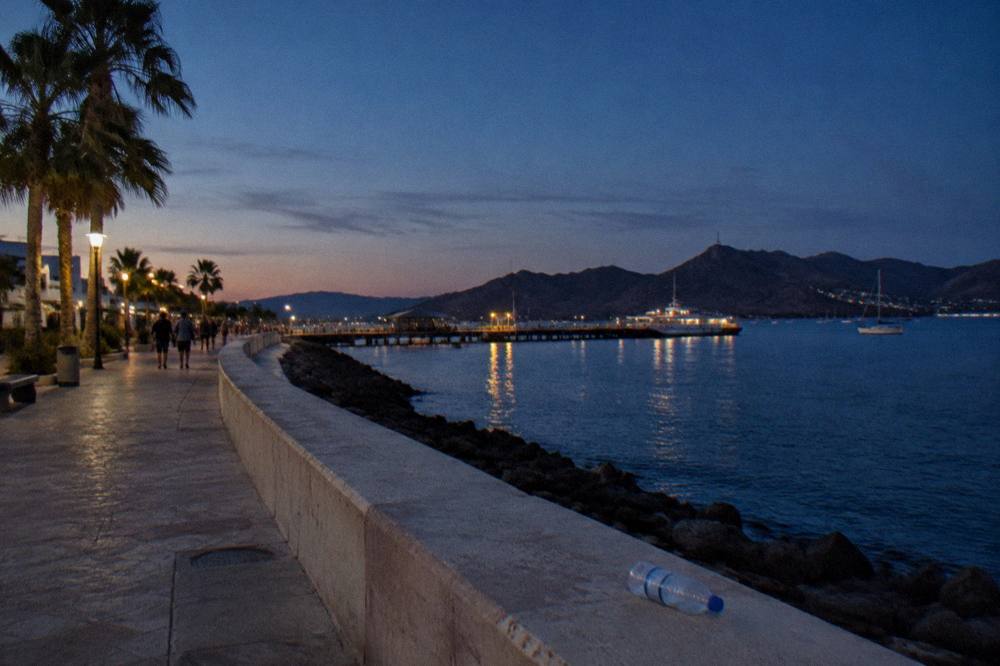
A simple decision frame works for most travelers. If warm water matters more than anything, book October or November, accept the small early-season weather risk, and enjoy a sea near 26 to 29 C. If reliable, dry, cool conditions matter more, book December through February, bring or ask for the warmest wetsuit the listing offers, and expect the reported peak months for whale shark activity: December, January and February are the months local reporting names as the strongest. If you want a middle path, March and April warm steadily, with the sea moving from about 20 to 21 C and the air from 29 to 32 C highs, before the season closes on 30 April.
Money follows the same calendar loosely. Shared swims on the roster run from $110 to $295 per person, island combos from $234 to $345, and the Los Cabos day trips from $259 to $399, so the weather question, which month, is usually the bigger lever on trip quality than the price question, which listing. The cost breakdown guide covers those ranges fully.
One last framing note on the source of these numbers. The air figures are 30-year station normals, the sea figures are satellite averages, and neither is a promise about your week. Baja weather moves fast, in both directions: a winter morning that starts at 13 C can be a 26 C afternoon on the deck of the boat coming home. Pack layers, read the forecast the night before, and let the operator make the final weather call, which is the same call every authorized boat in the bay makes on every shift of every day of the season.
Common Questions About La Paz Weather By Month
What is the weather like in La Paz Mexico by month?
Air temperatures run from a January average of 18.8 C to an August average of 31.5 C, with highs of 25.4 C in the coldest month and above 35 C in the hottest. Nearly all the rain, about 127 of the year's 184.7 mm, falls in August and September. October through April is the mild, dry half of the year.
What is the coldest month in La Paz?
January, with an average temperature of 18.8 C, an average low of 12.3 C and an average high of 25.4 C. February has the coldest sea, averaging about 19.1 C at the surface, so late January and February are the months most likely to want a full wetsuit.
How warm is the sea in La Paz?
Sea surface averages range from about 19.1 C in February to about 30.1 C in September, based on satellite readings. During whale shark season, October to April, the sea runs roughly 19 to 29 C, warmest at the October opening and coolest in February and March.
Does rain affect whale shark tours in La Paz?
Rarely in season. November through June averages under 12 mm of rain per month, so a winter shower is a brief event, not a day-ruiner. What actually postpones boat trips is wind and sea state, which operators judge day by day. September, with 81.4 mm of average rain, is the month weather most often interrupts water activities.
When is hurricane season in La Paz?
The official eastern Pacific hurricane season runs 15 May to 30 November, with peak risk from August through October. The whale shark season opens 1 October inside that tail, so early-October bookings carry a small residual weather risk that fades as November ends.
Which month has the best weather for a boat day in La Paz?
October and November combine the warmest in-season water, about 29 and 26 C, with little rain, though October sits near the end of hurricane season. December through February is the most reliable and the coolest in the water. March through May warms steadily before the season closes on 30 April.